
 Business License

How to Choose Between Single-Sided vs. Double-Sided Library Shelving for Your Project?
When planning a library, archive, or professional storage space, one of the most fundamental architectural decisions is the choice between single-sided and double-sided library shelving. This decision impacts not only the storage capacity but also the floor plan's flow, safety, and overall project budget.
This guide provides a technical breakdown of both systems to help project managers and designers make an informed choice.
1. Understanding the Core Configurations
Single-Sided Shelving (Wall-Mounted or Wall-Facing)
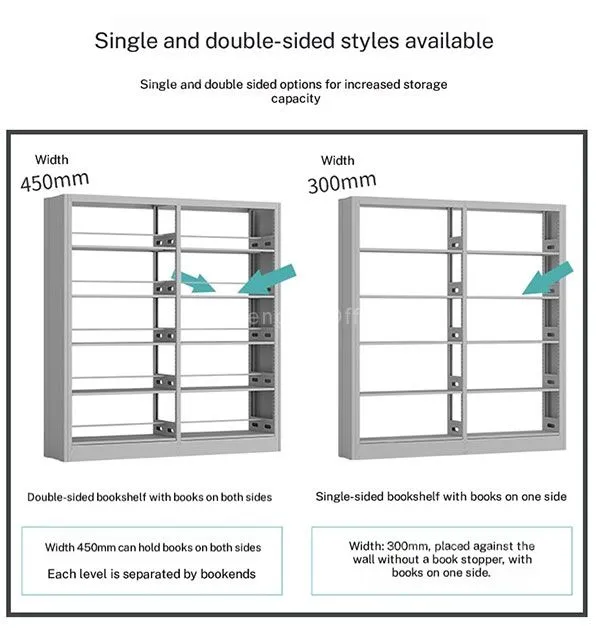
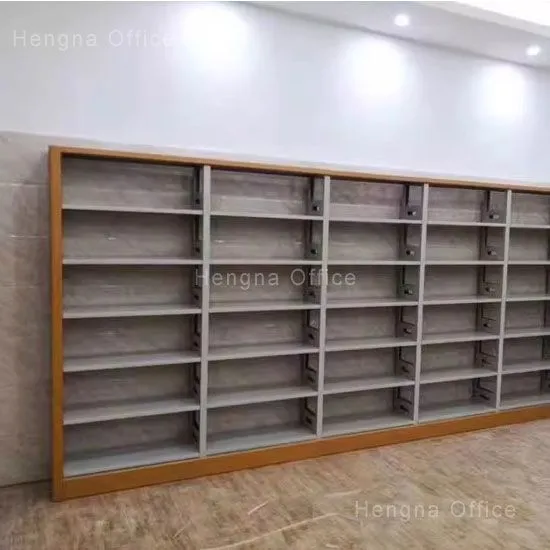
Single-sided units are designed to be placed against a wall. They feature a solid back or a set of cross-braces for stability. Since the access is from one side only, these units are typically shallower, with standard depths ranging from 300mm to 350mm.
Double-Sided Shelving (Freestanding Island)
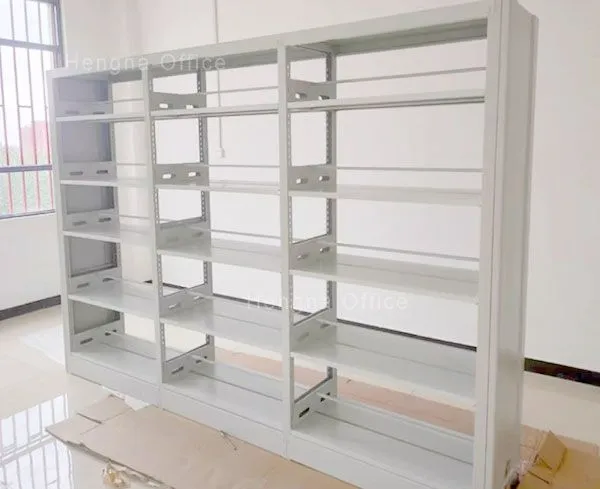
Double-sided units, often called "aisle shelving," allow access from both sides. They consist of a central frame with shelves extending in both directions. These are freestanding and act as the primary storage engines in large-scale facilities. Standard depths usually range from 450mm to 600mm.
2. Space Efficiency and Floor Plan Logic
The choice often dictates the "aisle-to-shelf" ratio of a room.
Single-Sided: Ideal for perimeter storage. It utilizes vertical wall space that would otherwise be wasted. However, it requires a dedicated aisle in front of every row, which can be less efficient in large open halls.
Double-Sided: Maximizes the center of a room. Because one aisle serves two sides of storage, you effectively double the capacity per square meter of aisle space.
3. Comparison Table: At a Glance
| Feature | Single-Sided Shelving | Double-Sided Shelving |
| Primary Placement | Against walls / Perimeters | Center of the room / Open floors |
| Access Point | One side only | Two sides (Front and Back) |
| Stability Requirement | Must be anchored to wall/floor | Usually freestanding with floor anchors |
| Standard Depth | 300mm - 350mm | 450mm - 600mm |
| Storage Density | Lower (Higher aisle-to-shelf ratio) | Higher (Lower aisle-to-shelf ratio) |
| Ideal For | Hallways, Small Offices, Clinics | University Libraries, Large Archives |
4. Technical Considerations: Load and Safety
When specifying shelving, the material thickness (such as 1.2mm or 1.26mm cold-rolled steel) becomes critical for double-sided units. Because these units are often taller and freestanding, they carry a higher center of gravity when fully loaded with books or medical records.
Safety Protocols:
Anti-tip Systems: For single-sided units, wall anchoring is mandatory. For double-sided units, specialized floor anchors or top-ties (overhead bracing) are recommended in seismic zones or high-traffic public areas.
Weight Distribution: Double-sided units offer a more balanced load distribution on the floor slab, which is a key consideration for structural engineers in multi-story buildings.
5. Conclusion for Project Managers
Choose single-sided shelving if your project involves narrow corridors, small medical clinics, or if you need to keep floor centers open for collaborative furniture.
Opt for double-sided library shelving if you are designing a high-density environment like a university library or a central government archive where maximizing the "volumes-per-square-foot" is the primary KPI.
Recently Posted
-
Louvered Panel vs Round Hole Pegboard — Which Tool Wall Holds Hooks and Bins Together?
August 31, 2026Louvered Panel vs Round Hole Pegboard — Which Tool Wall Holds Hooks and Bins Together?Short answer: if you only hang tools, round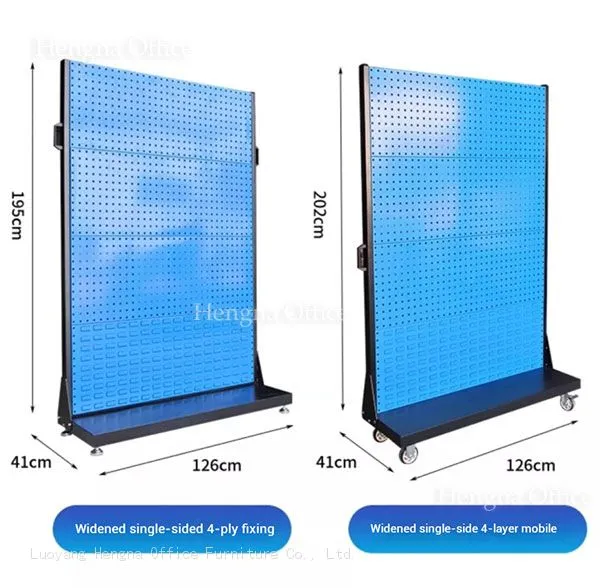 Read More
 -
Welded vs Boltless Steel Shelving — Looks Strong at the Factory, Falls Apart at the Port
August 7, 2026Welded vs Boltless Steel Shelving — Looks Strong at the Factory, Falls Apart at the PortHere's a story every steel shelving im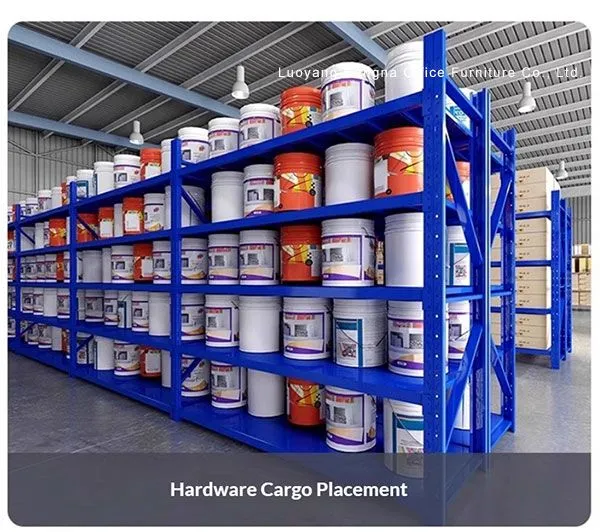 Read More
 -
You Asked a Steel Shelving Supplier for a Price. Here's What You Should Have Asked First.
August 7, 2026You found a steel shelving supplier. Their listing looks clean. You sent the message every first-time importer sends: "What&#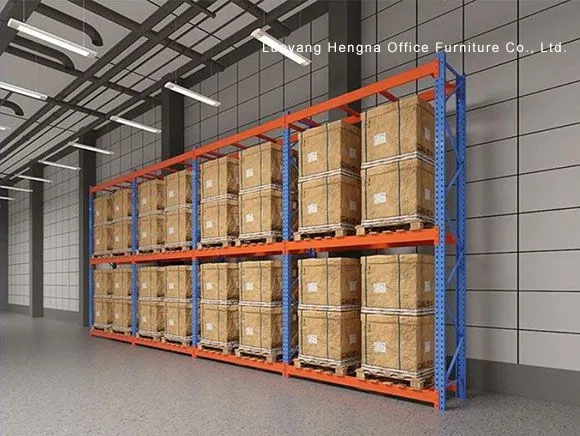 Read More
 -
Heavy Duty Steel Workbench for Auto Repair — Cold Rolled Frame vs What Most Garages Use
August 5, 2026Mike has been running his independent garage for eleven years. Three bays, two mechanics, a steady stream of brake jobs and transm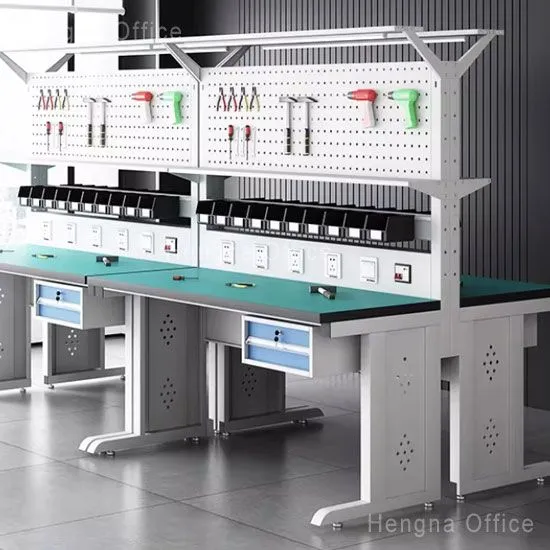 Read More

Contact Us
Recommended Products
-
 Industrial-Grade ABS Plastic Locker for Factory Staff and Warehouse Workers|Hengna OfficeUS$ 19 - 100MOQ: 5 Sets
 -
Outdoor ABS Locker Cabinet – UV-Resistant Plastic Storage for Poolside or Beach Resorts-Hengna OfficeUS$ 19 - 100MOQ: 5 Sets
-
45 Gallon Explosion-Proof Flammable Liquid Storage Cabinet – Fire-Resistant Steel Safety Cabinet for FactoriesUS$ 68 - 400MOQ: 2 Combos
-
Flammable Storage Cabinet for Flammable Liquids – OSHA Certified Safety Cabinet With Fireproof Double WallsUS$ 68 - 400MOQ: 2 Combos
-
Large Capacity Flammable Liquid Storage Cabinet – Explosion-Proof Safety Cabinet for Laboratory & Workshop UseUS$ 68 - 400MOQ: 2 Combos
-
Heavy Duty Steel Tool Cart With Drawers for Workshops|Hengna OfficeUS$ 99 - 269MOQ: 2 Cases
-
Wholesale 3-Drawer Tool Trolley With Wheels for Factory and Garage StorageUS$ 99 - 269MOQ: 2 Cases
-
HN-wlj160 Industrial Rolling Tool Organizer With Pegboard|All-in-One Mobile Tool Storage CartUS$ 5 - 120MOQ: 2 Cases
-
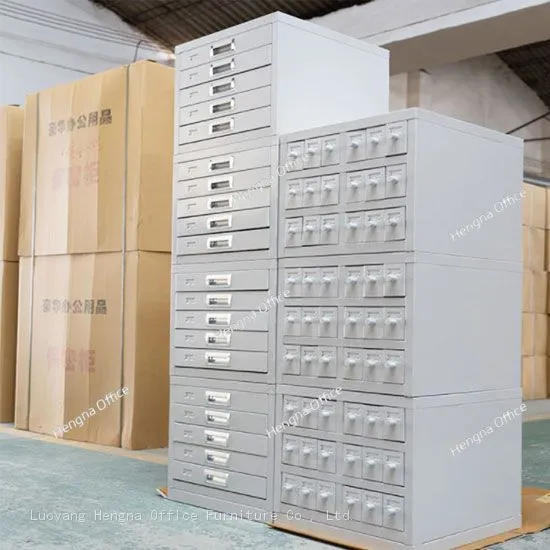
White Stackable Pathology Wax Block Storage Drawers for Labs Near London-Hengna OfficeNegotiableMOQ: 10 Pieces
-
Custom Paraffin Block Storage Cabinet for Histology Laboratories – Factory Direct From Hengna FurnitureNegotiableMOQ: 10 Pieces
-
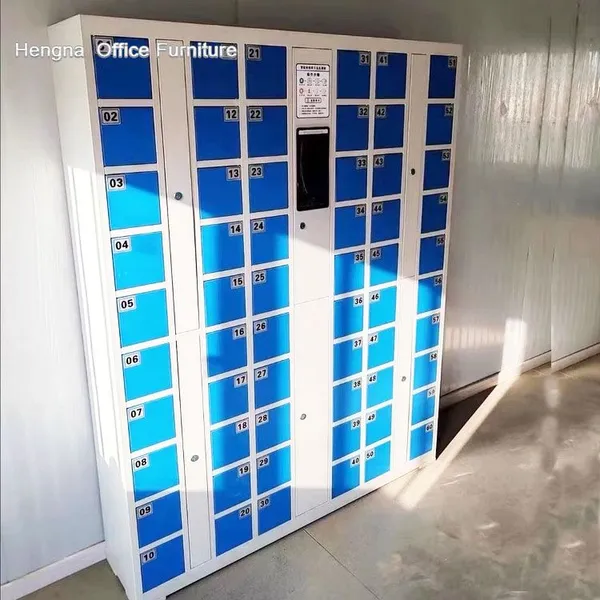
Smart Phone Charging Locker 40-door|Fingerprint Lockers Intelligent Parcel Delivery CabinetUS$ 203 - 750MOQ: 15 Pieces
-
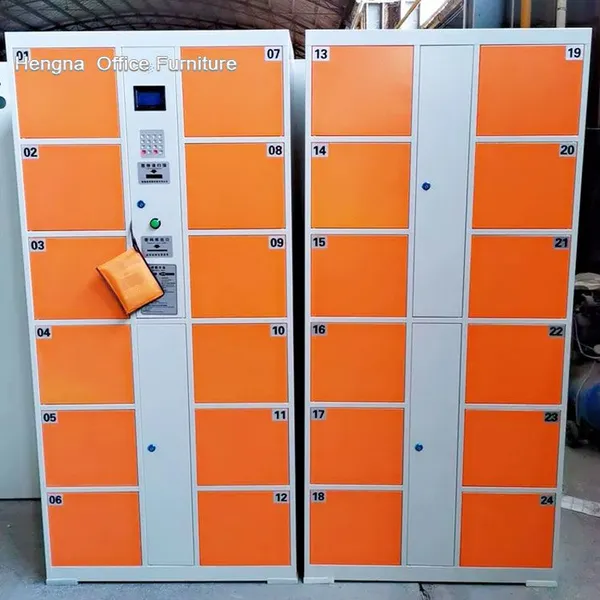
School Gym Lockers Price |Parcel Delivery Storage Locker 12-door FactoryUS$ 203 - 750MOQ: 15 Pieces
-
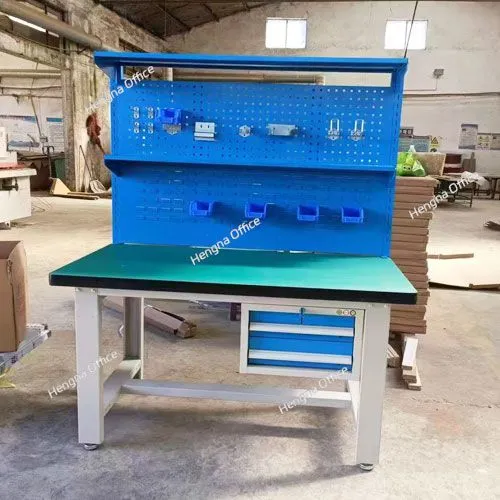
Multi Metal Work Benches Electrical Workshop Workbench|US$ 300 - 800MOQ: 2 Cases
-
Commercial Workbench Supplier |Multi Metal Work Bench With Drawers OMDUS$ 300 - 800MOQ: 2 Cases
-
Pathological Ection Cabinet JTGZ062 Wax Block Cabinet for LaboratoryNegotiableMOQ: 10 Pieces
-
Durable Tool Storage in Factory HNGJ703 Hard Wearing Metal Industrial Tool ChestNegotiableMOQ: 18 Pieces
-
High - Quality CNC Workshop Tool Cabinet Heavyweight Workshop Tool OrganizerNegotiableMOQ: 10 Pieces
-
Laboratory Polyethylene Acid and Corrosive Chemicals Safety Storage PP CabinetUS$ 340 - 600MOQ: 5 Combos
-
22 Gallons /80 L PP Acid - Base Cabinet: Safeguard Chemical Storage Supplier OEMUS$ 500 - 600MOQ: 5 Combos
-
4 - Gallon Corrosion-resistant Safety Cabinet for Hazardous Chemicals Acid SupplierUS$ 340 - 500MOQ: 5 Combos