
 Business License

Step-by-Step Guide: How to Quickly Assemble Knock-down Steel Lockers.
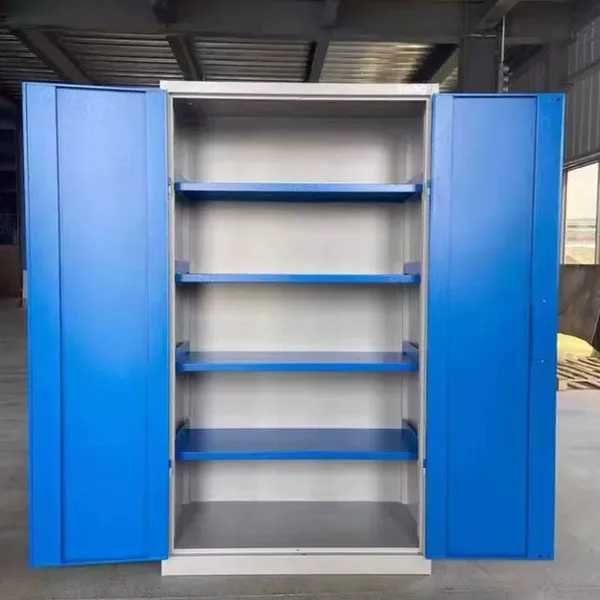
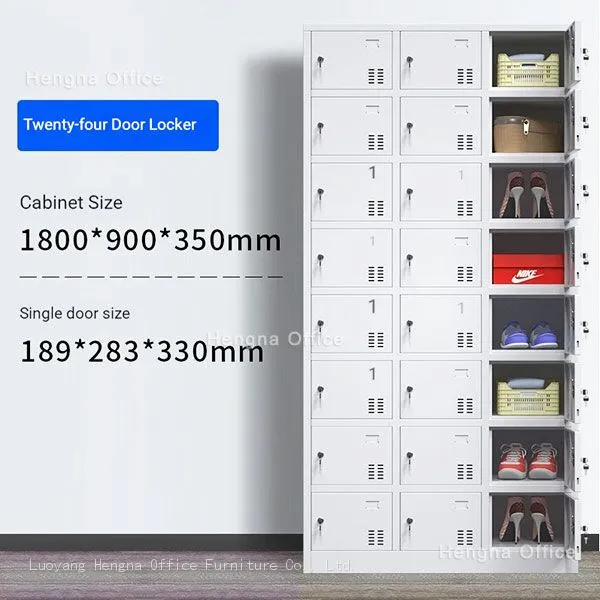
In the world of international trade, Knock-down (KD) steel lockers are the standard for efficient shipping. By transporting these units in flat-packed boxes, businesses can save up to 70% on freight costs compared to pre-assembled furniture. However, a common question for many buyers is: How difficult are they to put together? This guide simplifies the process into clear, logical steps.
1. Pre-Assembly Preparation
Before starting, ensure the workspace is clean and flat. Using the cardboard box the locker came in as a floor mat is a practical way to protect the powder-coated finish from scratches during the process.
Required Tools:
A Phillips head screwdriver.
A pair of gloves (to protect hands from steel edges).
A second person (optional, but helpful for holding tall side panels).
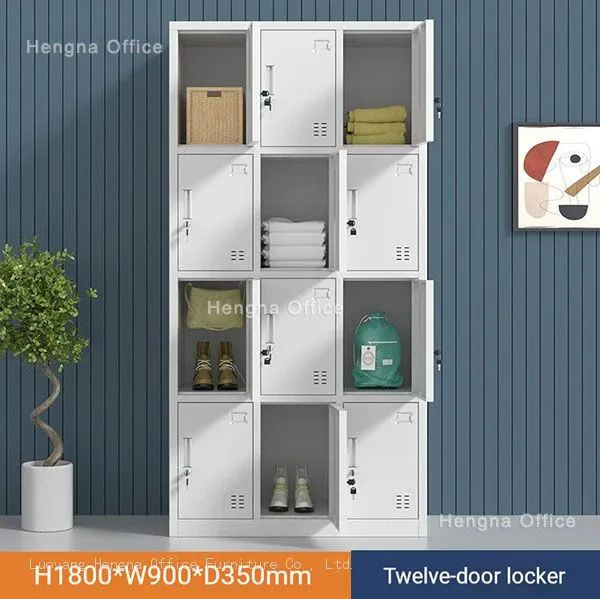
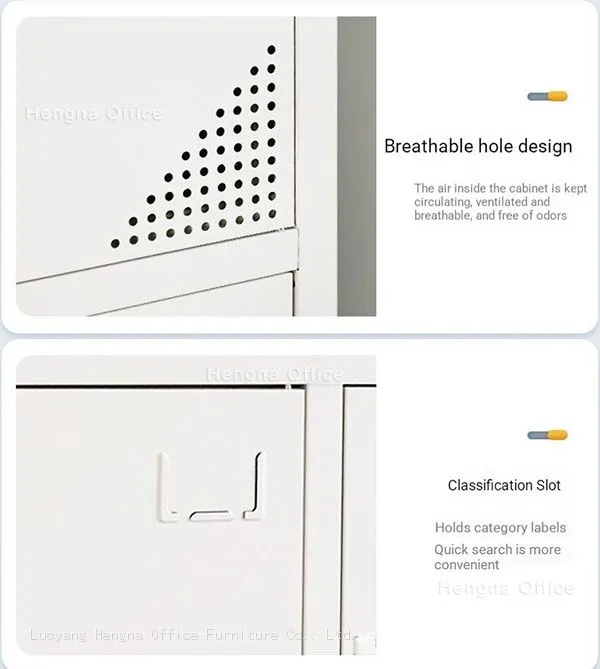
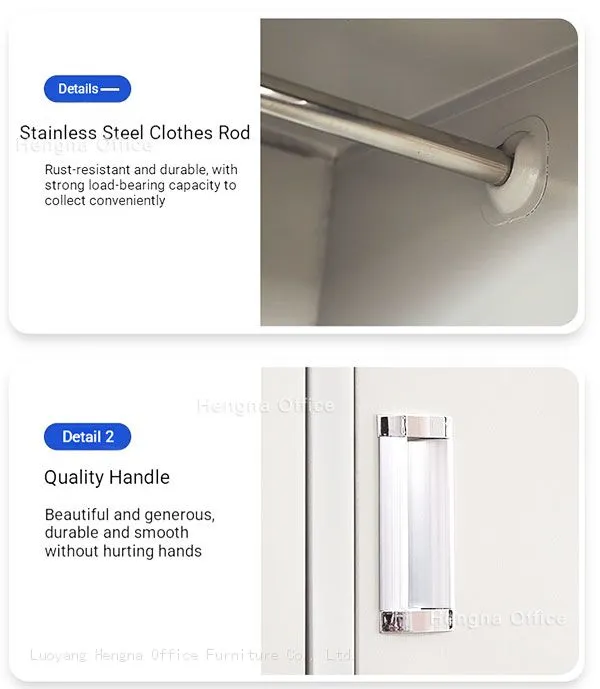
2. The Assembly Sequence
Most professional-grade steel lockers follow a standard structural logic. While individual models vary, the general flow remains the same:
Phase 1: Building the Frame
The Base: Lay the bottom plate on the floor. This is the foundation that holds the entire structure.
Back and Side Panels: Most modern lockers use a "tab-and-slot" design. Slide the back panel into the base, followed by the two side panels. These parts should stand upright once locked into the base.
The Top Cover: Place the top plate over the three vertical panels. Secure it with screws to lock the main frame into a rigid box shape.
Phase 2: Interior and Doors
Shelves: Insert the internal shelves. If the unit has adjustable height slots, simply clip the shelf supports into the desired holes and rest the shelves on top.
Hanging the Doors: Align the door hinges with the frame. Many industrial lockers use a "pin-hinge" system—insert the bottom pin into the hole, press down the spring-loaded top pin, and let it snap into the top hole.
3. Assembly Efficiency Data
For large projects, understanding the time commitment is essential for labor planning.
| Task | Estimated Time (1 Person) | Complexity Level |
| Unpacking & Sorting | 5 Minutes | Low |
| Frame Assembly | 10 Minutes | Moderate |
| Interior & Door Setup | 5 Minutes | Low |
| Total Time Per Unit | 20 Minutes | Efficient |
4. Tips for a Professional Result
To ensure the locker remains functional for its 20-year lifespan, keep these three tips in mind:
Don't Over-tighten: During the initial setup, keep screws slightly loose. Once the entire unit is standing and square, go back and tighten everything.
Level the Unit: If the floor is uneven, the doors might not line up perfectly. Use the leveling feet (if included) or small shims to ensure the locker is perfectly vertical.
Check the Lock: Always test the key or digital lock before closing the door for the first time.
5. Why Choose Knock-down Over Welded?
Aside from shipping savings, KD lockers offer other practical benefits:
Access: Flat packs can easily be moved through narrow hallways, elevators, or small doorways where a fully welded locker would not fit.
Modular Repair: If a single panel is damaged during use, it is often possible to replace just that panel rather than the entire locker.
Storage: You can keep spare units in their flat boxes, taking up minimal warehouse space until they are needed.
6. Conclusion
Assembling a steel locker is a straightforward mechanical process that requires no specialized engineering skills. By following a logical sequence—from the base up—facility managers can quickly outfit their space with durable, secure storage. The combination of shipping efficiency and ease of assembly makes knock-down steel furniture the most cost-effective solution for modern industrial and commercial environments.
Recently Posted
-
Louvered Panel vs Round Hole Pegboard — Which Tool Wall Holds Hooks and Bins Together?
August 31, 2026Louvered Panel vs Round Hole Pegboard — Which Tool Wall Holds Hooks and Bins Together?Short answer: if you only hang tools, round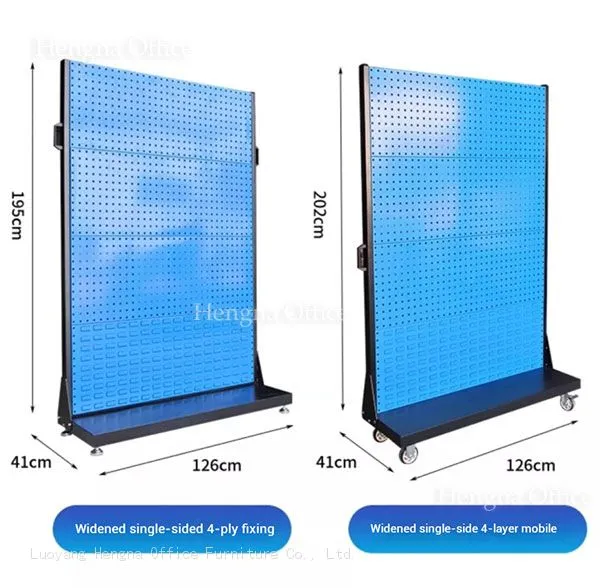 Read More
 -
Welded vs Boltless Steel Shelving — Looks Strong at the Factory, Falls Apart at the Port
August 7, 2026Welded vs Boltless Steel Shelving — Looks Strong at the Factory, Falls Apart at the PortHere's a story every steel shelving im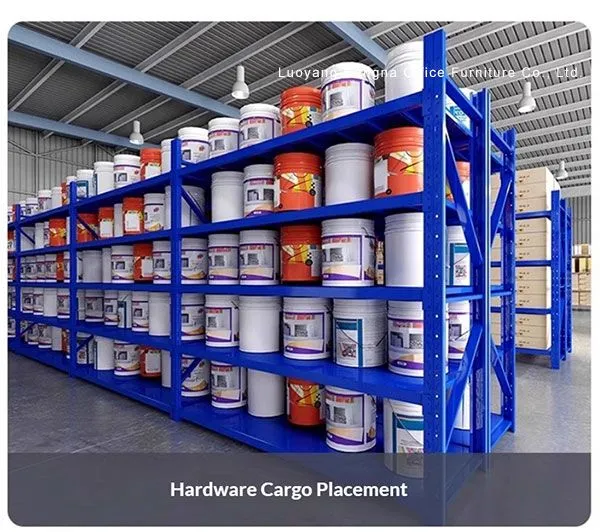 Read More
 -
You Asked a Steel Shelving Supplier for a Price. Here's What You Should Have Asked First.
August 7, 2026You found a steel shelving supplier. Their listing looks clean. You sent the message every first-time importer sends: "What&#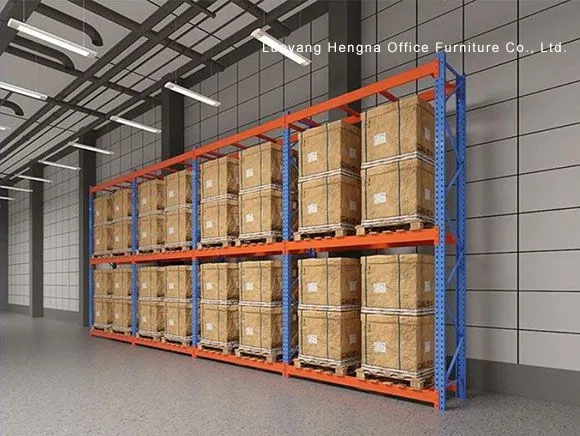 Read More
 -
Heavy Duty Steel Workbench for Auto Repair — Cold Rolled Frame vs What Most Garages Use
August 5, 2026Mike has been running his independent garage for eleven years. Three bays, two mechanics, a steady stream of brake jobs and transm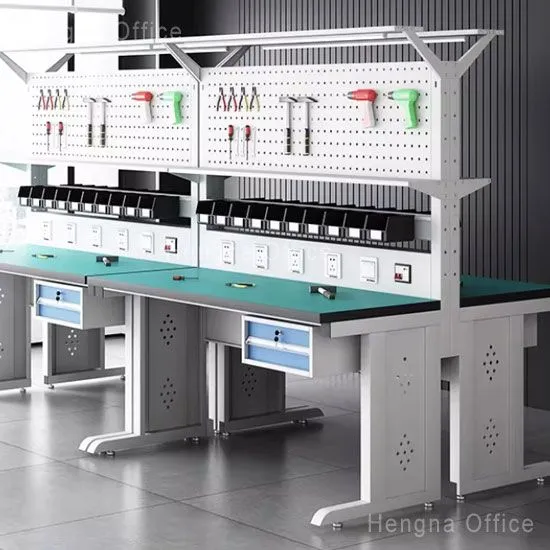 Read More

Contact Us
Recommended Products
-
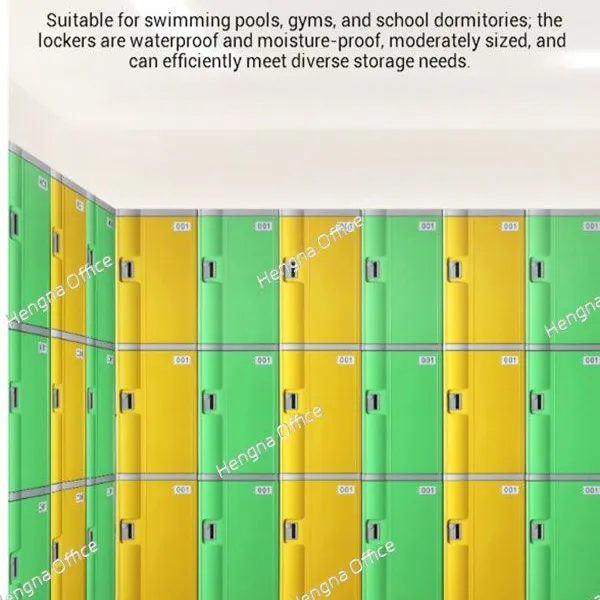
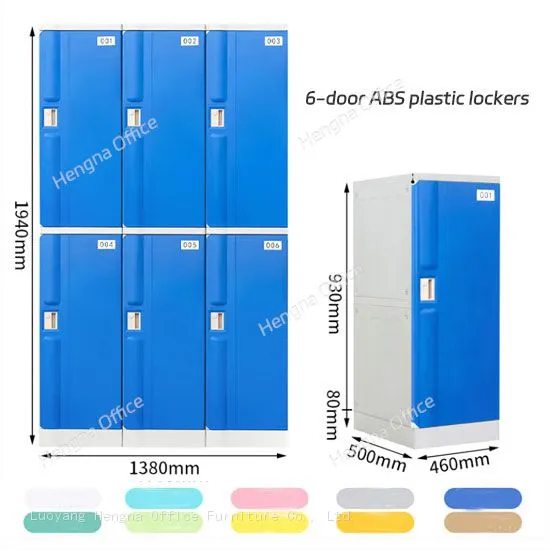
 Industrial-Grade ABS Plastic Locker for Factory Staff and Warehouse Workers|Hengna OfficeUS$ 19 - 100MOQ: 5 Sets
 -
Outdoor ABS Locker Cabinet – UV-Resistant Plastic Storage for Poolside or Beach Resorts-Hengna OfficeUS$ 19 - 100MOQ: 5 Sets
-
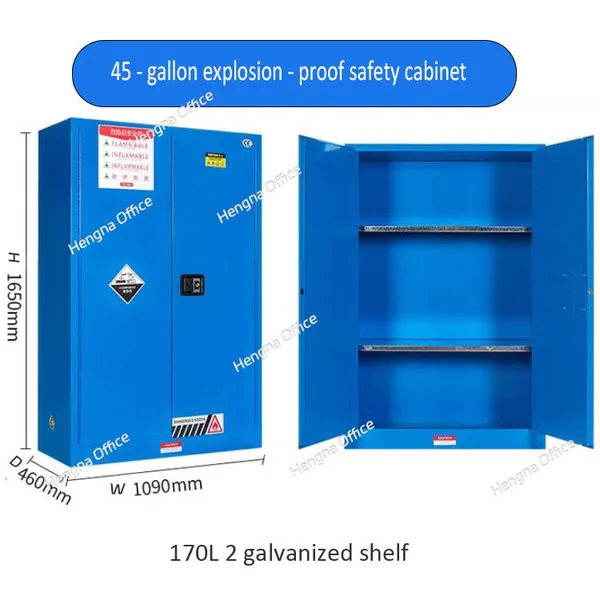
45 Gallon Explosion-Proof Flammable Liquid Storage Cabinet – Fire-Resistant Steel Safety Cabinet for FactoriesUS$ 68 - 400MOQ: 2 Combos
-
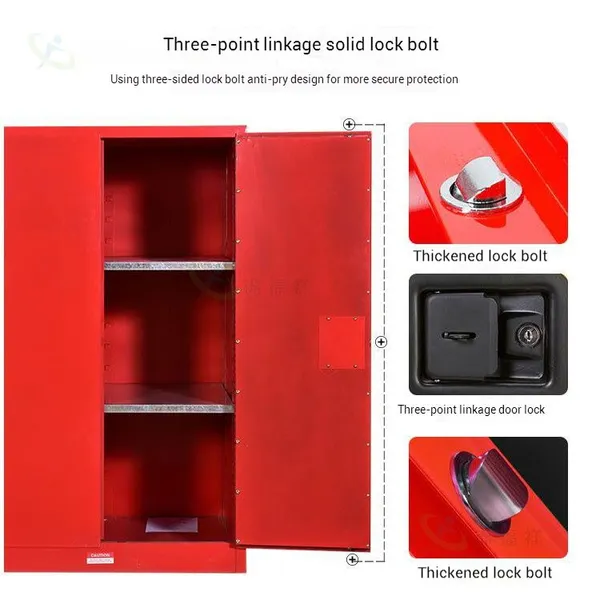
Flammable Storage Cabinet for Flammable Liquids – OSHA Certified Safety Cabinet With Fireproof Double WallsUS$ 68 - 400MOQ: 2 Combos
-
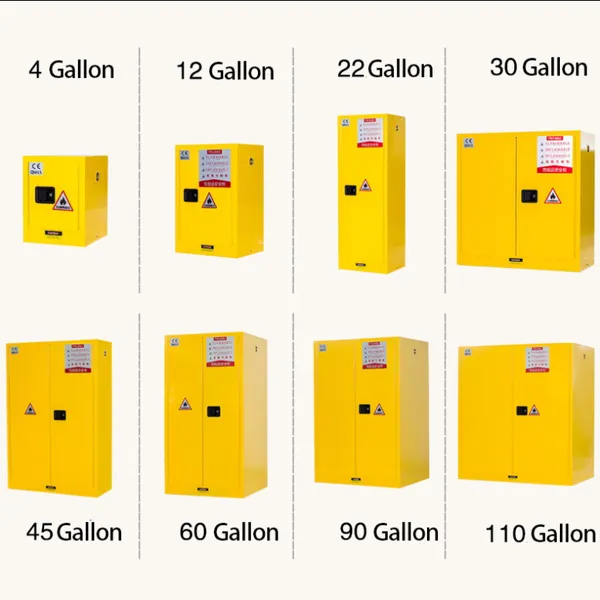
Large Capacity Flammable Liquid Storage Cabinet – Explosion-Proof Safety Cabinet for Laboratory & Workshop UseUS$ 68 - 400MOQ: 2 Combos
-
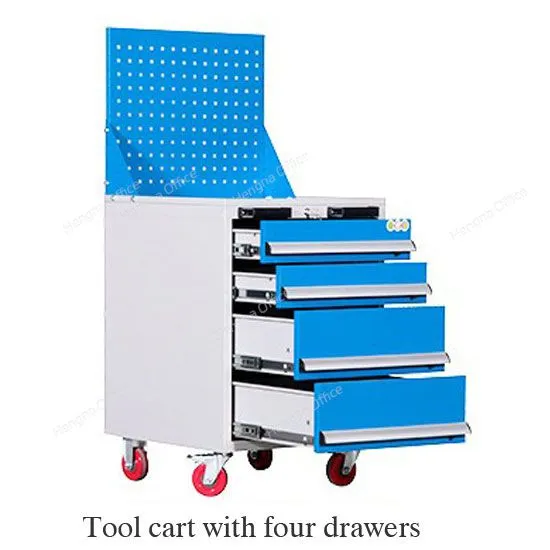
Heavy Duty Steel Tool Cart With Drawers for Workshops|Hengna OfficeUS$ 99 - 269MOQ: 2 Cases
-
Wholesale 3-Drawer Tool Trolley With Wheels for Factory and Garage StorageUS$ 99 - 269MOQ: 2 Cases
-
HN-wlj160 Industrial Rolling Tool Organizer With Pegboard|All-in-One Mobile Tool Storage CartUS$ 5 - 120MOQ: 2 Cases
-
White Stackable Pathology Wax Block Storage Drawers for Labs Near London-Hengna OfficeNegotiableMOQ: 10 Pieces
-
Custom Paraffin Block Storage Cabinet for Histology Laboratories – Factory Direct From Hengna FurnitureNegotiableMOQ: 10 Pieces
-
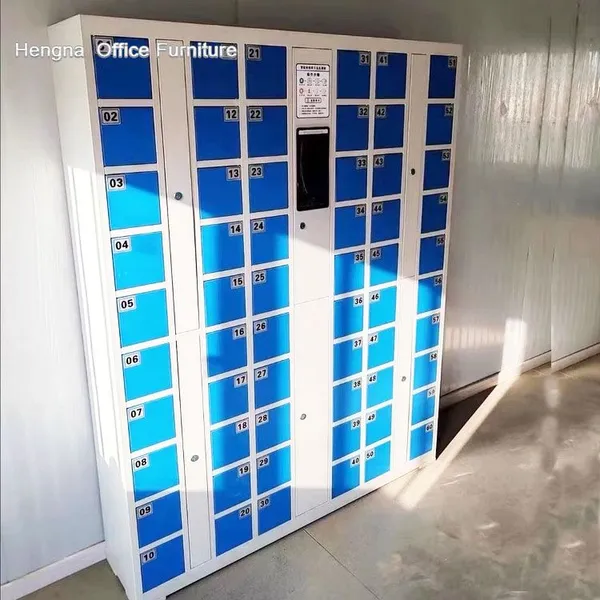
Smart Phone Charging Locker 40-door|Fingerprint Lockers Intelligent Parcel Delivery CabinetUS$ 203 - 750MOQ: 15 Pieces
-
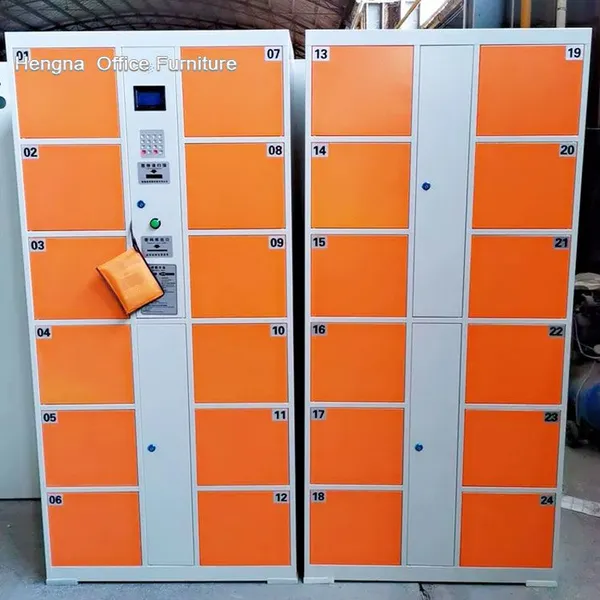
School Gym Lockers Price |Parcel Delivery Storage Locker 12-door FactoryUS$ 203 - 750MOQ: 15 Pieces
-
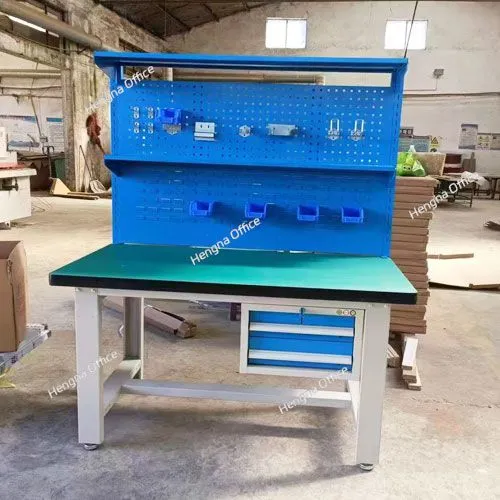
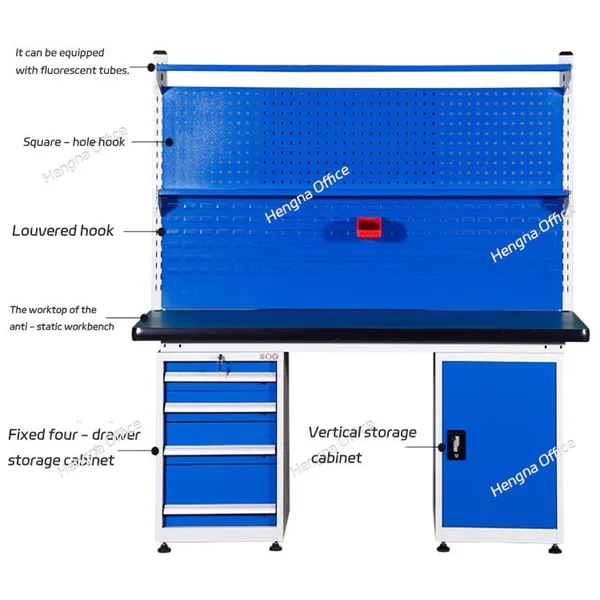
Multi Metal Work Benches Electrical Workshop Workbench|US$ 300 - 800MOQ: 2 Cases
-
Commercial Workbench Supplier |Multi Metal Work Bench With Drawers OMDUS$ 300 - 800MOQ: 2 Cases
-
Pathological Ection Cabinet JTGZ062 Wax Block Cabinet for LaboratoryNegotiableMOQ: 10 Pieces
-
Durable Tool Storage in Factory HNGJ703 Hard Wearing Metal Industrial Tool ChestNegotiableMOQ: 18 Pieces
-
High - Quality CNC Workshop Tool Cabinet Heavyweight Workshop Tool OrganizerNegotiableMOQ: 10 Pieces
-
Laboratory Polyethylene Acid and Corrosive Chemicals Safety Storage PP CabinetUS$ 340 - 600MOQ: 5 Combos
-
22 Gallons /80 L PP Acid - Base Cabinet: Safeguard Chemical Storage Supplier OEMUS$ 500 - 600MOQ: 5 Combos
-
4 - Gallon Corrosion-resistant Safety Cabinet for Hazardous Chemicals Acid SupplierUS$ 340 - 500MOQ: 5 Combos