
 Business License
Top 5 Safety Features to Look for When Buying School Lockers: From Round Corners to Materials
Introduction
When outfitting educational institutions, from kindergartens to universities, the safety and well-being of students are paramount. School lockers are a ubiquitous fixture in hallways and classrooms, often used hundreds of times a day. However, not all lockers are created equal. Traditional metal lockers, while durable, pose significant risks including sharp edges, pinching hazards, and noise pollution. In recent years, a shift towards ABS Plastic Lockers has revolutionized school storage, offering a safer, more hygienic alternative. If you are a school administrator, architect, or procurement officer, here are the top 5 safety features you must look for when buying school lockers to ensure a secure learning environment.
1. Radius Rounded Corners: Preventing Impact Injuries
The most immediate physical threat in a school environment is impact. Children run, play, and navigate crowded hallways where blind corners are common.
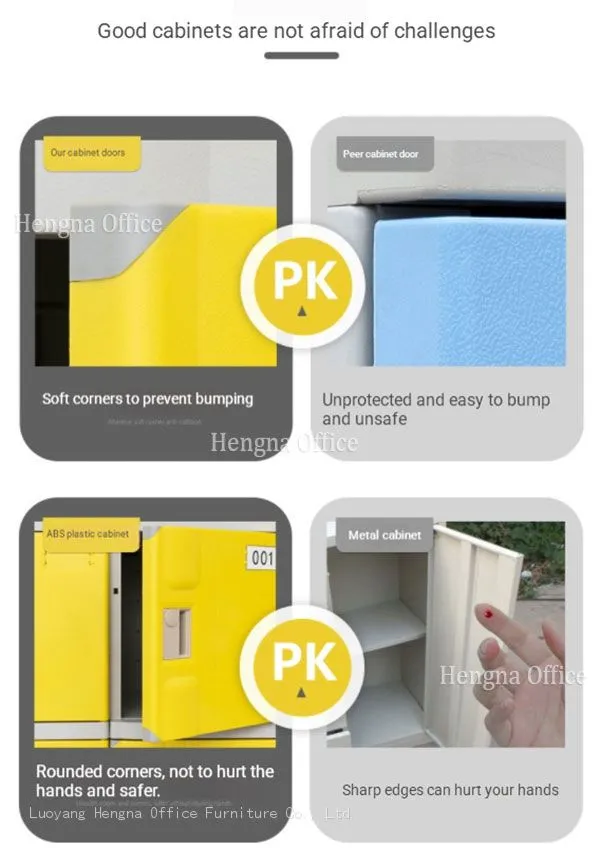
The Danger: Traditional metal lockers are often constructed with squared, sharp edges. A fall or collision with a metal locker corner can result in cuts, bruises, or more serious head injuries.
The Solution: High-quality ABS Plastic Lockers feature fully rounded, radius corners (often designed with a specific curvature radius). These “soft-edges” are designed to deflect impact. If a student accidentally bumps into the locker, the smooth, rounded surface minimizes injury. This feature is particularly critical in kindergarten and primary school settings, where younger children are still developing coordination.
2. Non-Toxic & Formaldehyde-Free Materials: Protecting Indoor Air Quality
Safety is not just about physical bumps and bruises; it is also about long-term health.
The Danger: Many lockers made from Medium Density Fiberboard (MDF) or composite woods use glues and resins that contain formaldehyde. Over time, these chemicals off-gas, releasing Volatile Organic Compounds (VOCs) into the classroom air. Poor indoor air quality can lead to respiratory issues, headaches, and difficulty concentrating for students.
The Solution: ABS (Acrylonitrile Butadiene Styrene) plastic is a non-porous, synthetic material that is 100% formaldehyde-free and non-toxic. It does not emit odors or harmful gases. By choosing ABS plastic lockers, schools ensure that the air students breathe remains clean and safe, contributing to a healthier learning environment.
3. Anti-Pinch Hinges: Mechanical Safety
Lockers involve moving parts, and moving parts can trap fingers.
The Danger: Standard metal hinges often leave a gap between the door and the frame when opened. Inquisitive students or those rushing to class can easily trap their fingers in these gaps, leading to painful crushing injuries.
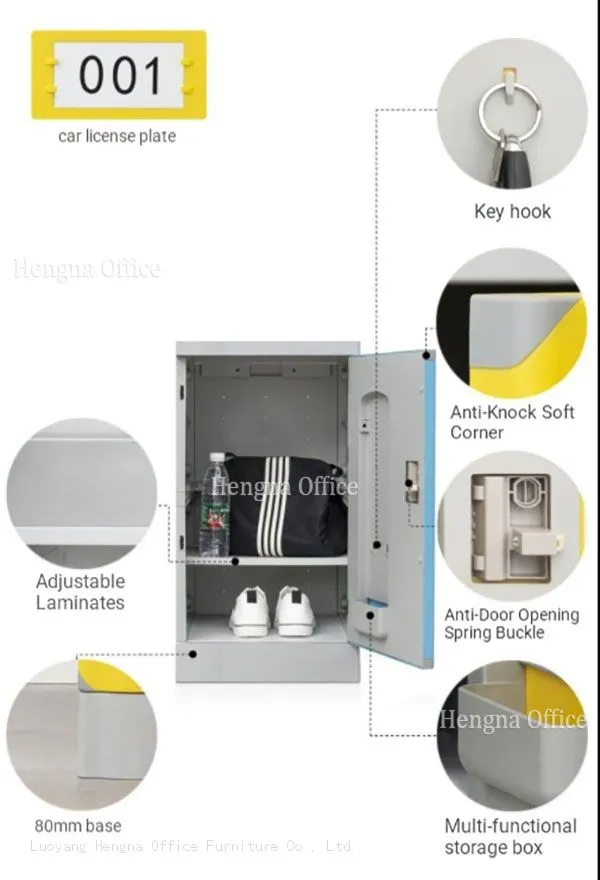
The Solution: Look for lockers equipped with anti-pinch or continuous hinges. In ABS plastic lockers, the hinges are often integrated into the door design or covered by a guard that prevents fingers from entering the pinch zone. This mechanical safety feature is essential for preventing common school accidents.
4. Noise Reduction: Auditory Safety
While often overlooked, noise pollution is a significant stressor in schools.
The Danger: The sound of metal locker doors slamming creates a loud, metallic “bang” that echoes through hallways. This contributes to a chaotic atmosphere and can be startling for children with sensory sensitivities.
The Solution: ABS plastic is a natural sound dampener. Plastic locker doors close with a dull thud rather than a clang. Many modern designs even incorporate soft-close mechanisms. This reduction in noise pollution creates a calmer, more focused educational atmosphere, which is proven to aid in student concentration and stress reduction.
5. Fire Retardancy: Emergency Preparedness
In the event of an emergency, every piece of furniture in the school plays a role in safety protocols.
The Danger: Some lower-quality plastics can act as accelerants in a fire.
The Solution: Reputable ABS locker manufacturers use fire-retardant additives in their plastic formulas. High-quality ABS plastic is self-extinguishing, meaning it will not support combustion once the ignition source is removed. It complies with strict fire safety codes, ensuring that the lockers do not become a hazard during an emergency evacuation.
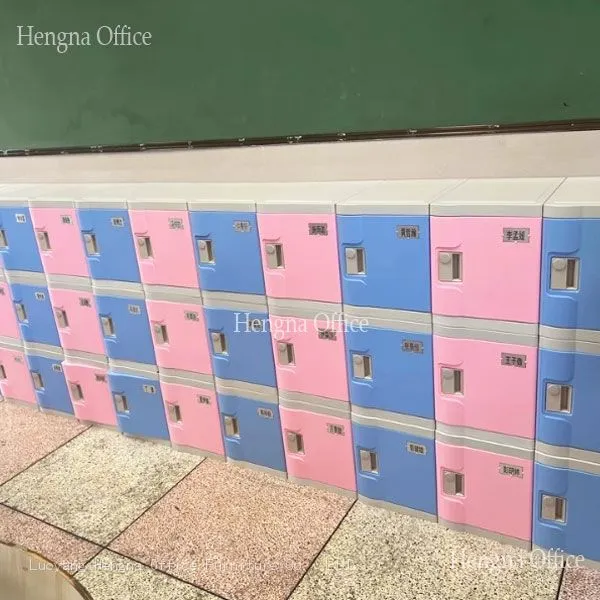
Comparison: Metal vs. ABS Plastic Safety Features
| Safety Feature | Metal Lockers | ABS Plastic Lockers |
|---|---|---|
| Corner Safety | Sharp edges (High Injury Risk) | Rounded corners (Low Injury Risk) |
| Air Quality | Potential rust dust or paint fumes | Odorless, Non-toxic, Zero VOCs |
| Pinch Hazard | High (Gaps in hinges) | Low (Anti-pinch design available) |
| Noise Level | Loud (High Decibel Slam) | Quiet (Soft Close/Dampened) |
| Fire Safety | Good (Conductive) | Excellent (Self-Extinguishing) |
Investing in the right school lockers is an investment in student safety. By prioritizing features such as rounded corners, non-toxic materials, and noise reduction, schools can significantly reduce the risk of injury and improve the daily learning experience. ABS Plastic Lockers offer a comprehensive safety profile that far surpasses traditional materials, making them the smart choice for modern, forward-thinking educational institutions.
Recently Posted
-
Louvered Panel vs Round Hole Pegboard — Which Tool Wall Holds Hooks and Bins Together?
August 31, 2026Louvered Panel vs Round Hole Pegboard — Which Tool Wall Holds Hooks and Bins Together?Short answer: if you only hang tools, round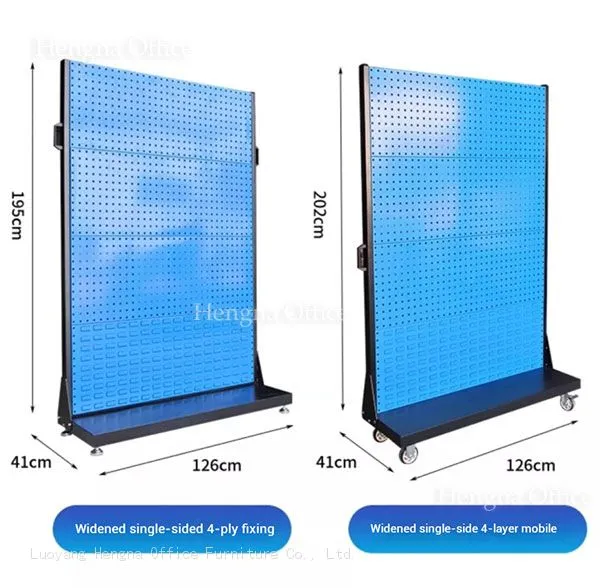 Read More
 -
Welded vs Boltless Steel Shelving — Looks Strong at the Factory, Falls Apart at the Port
August 7, 2026Welded vs Boltless Steel Shelving — Looks Strong at the Factory, Falls Apart at the PortHere's a story every steel shelving im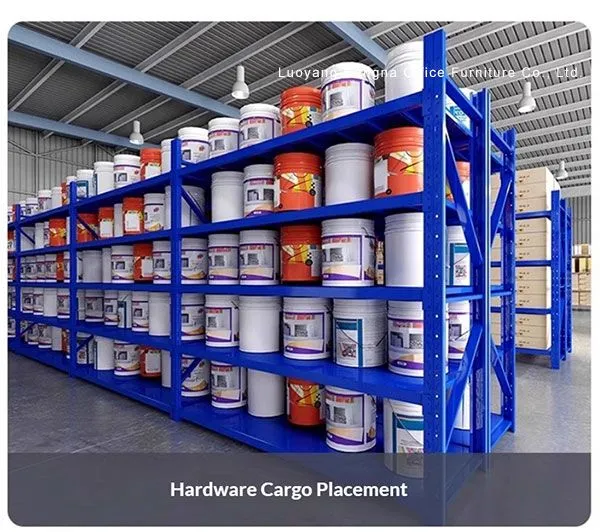 Read More
 -
You Asked a Steel Shelving Supplier for a Price. Here's What You Should Have Asked First.
August 7, 2026You found a steel shelving supplier. Their listing looks clean. You sent the message every first-time importer sends: "What&#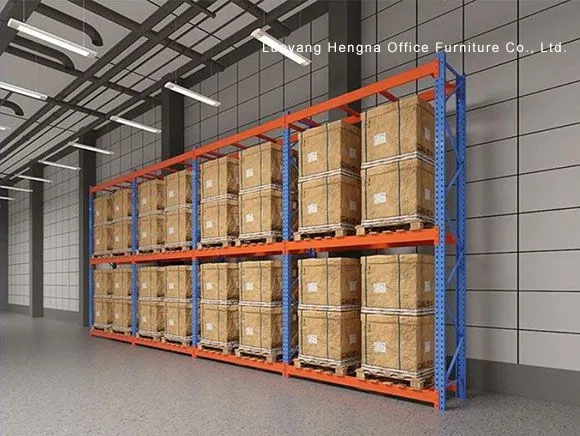 Read More
 -
Heavy Duty Steel Workbench for Auto Repair — Cold Rolled Frame vs What Most Garages Use
August 5, 2026Mike has been running his independent garage for eleven years. Three bays, two mechanics, a steady stream of brake jobs and transm Read More

Contact Us
Recommended Products
-
 Industrial-Grade ABS Plastic Locker for Factory Staff and Warehouse Workers|Hengna OfficeUS$ 19 - 100MOQ: 5 Sets
 -
Outdoor ABS Locker Cabinet – UV-Resistant Plastic Storage for Poolside or Beach Resorts-Hengna OfficeUS$ 19 - 100MOQ: 5 Sets
-
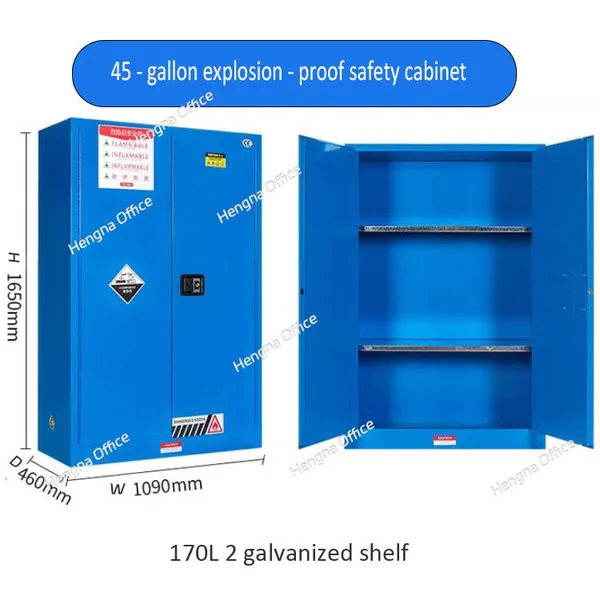
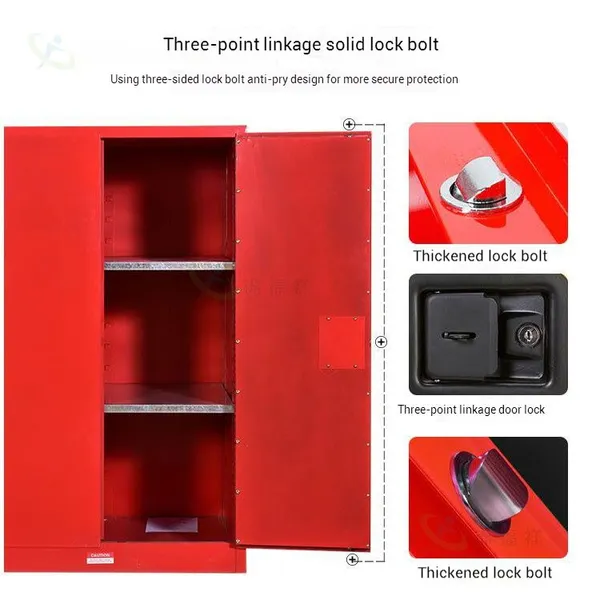
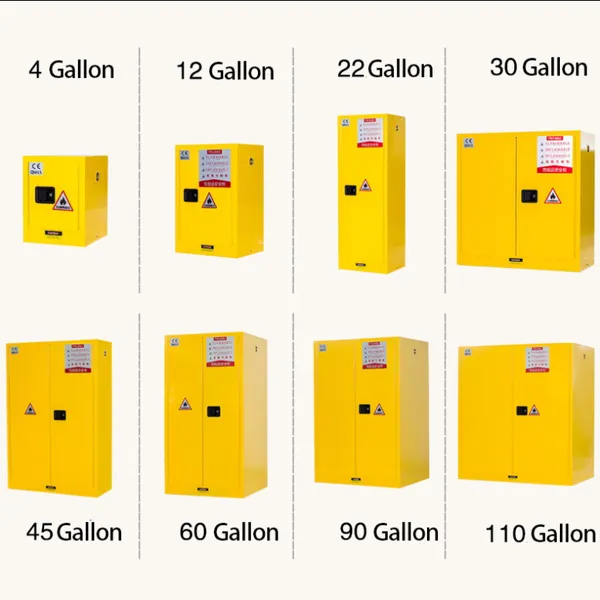
45 Gallon Explosion-Proof Flammable Liquid Storage Cabinet – Fire-Resistant Steel Safety Cabinet for FactoriesUS$ 68 - 400MOQ: 2 Combos
-
Flammable Storage Cabinet for Flammable Liquids – OSHA Certified Safety Cabinet With Fireproof Double WallsUS$ 68 - 400MOQ: 2 Combos
-
Large Capacity Flammable Liquid Storage Cabinet – Explosion-Proof Safety Cabinet for Laboratory & Workshop UseUS$ 68 - 400MOQ: 2 Combos
-
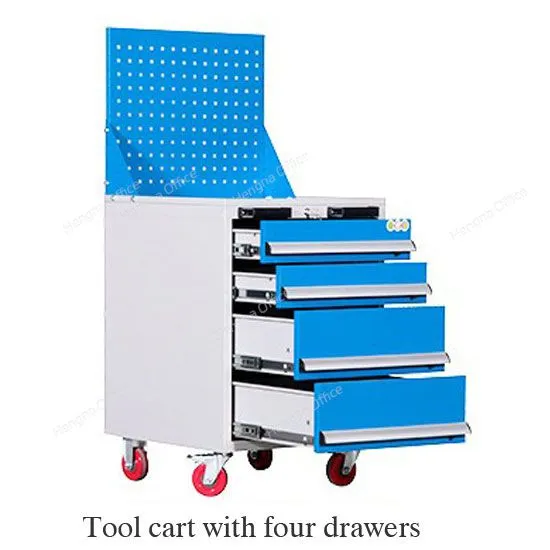
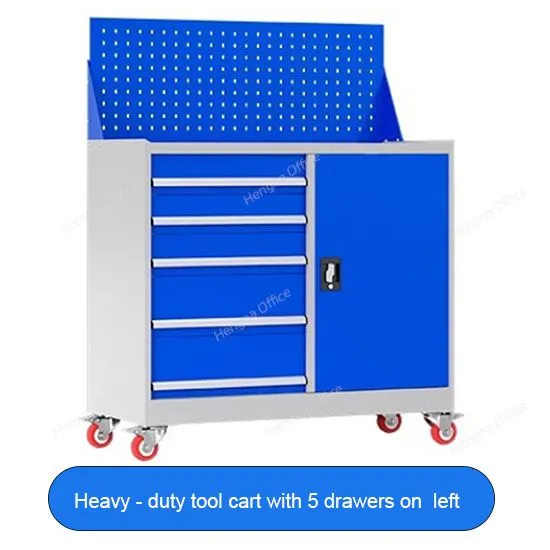
Heavy Duty Steel Tool Cart With Drawers for Workshops|Hengna OfficeUS$ 99 - 269MOQ: 2 Cases
-
Wholesale 3-Drawer Tool Trolley With Wheels for Factory and Garage StorageUS$ 99 - 269MOQ: 2 Cases
-
HN-wlj160 Industrial Rolling Tool Organizer With Pegboard|All-in-One Mobile Tool Storage CartUS$ 5 - 120MOQ: 2 Cases
-
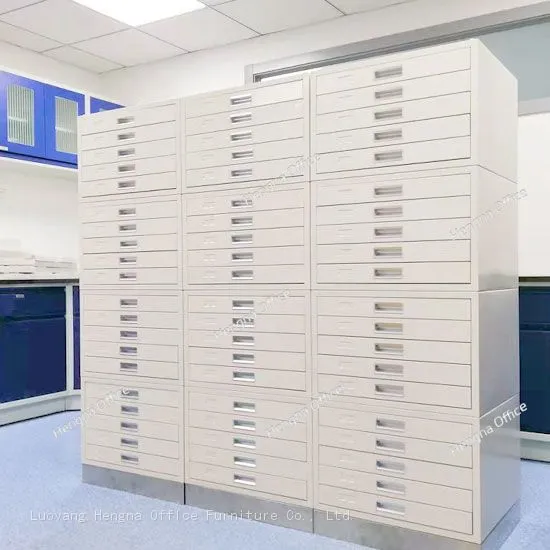
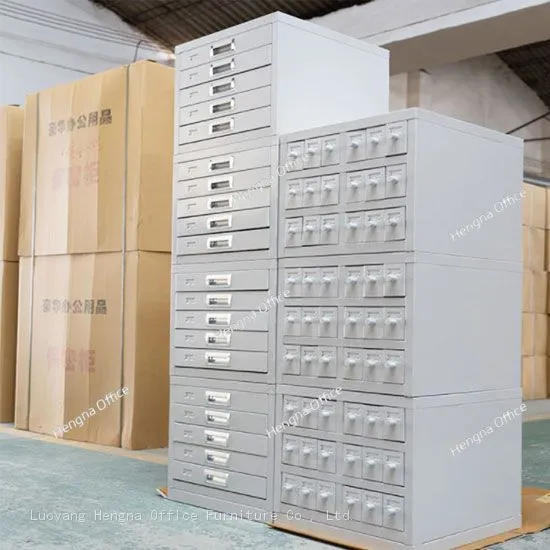
White Stackable Pathology Wax Block Storage Drawers for Labs Near London-Hengna OfficeNegotiableMOQ: 10 Pieces
-
Custom Paraffin Block Storage Cabinet for Histology Laboratories – Factory Direct From Hengna FurnitureNegotiableMOQ: 10 Pieces
-
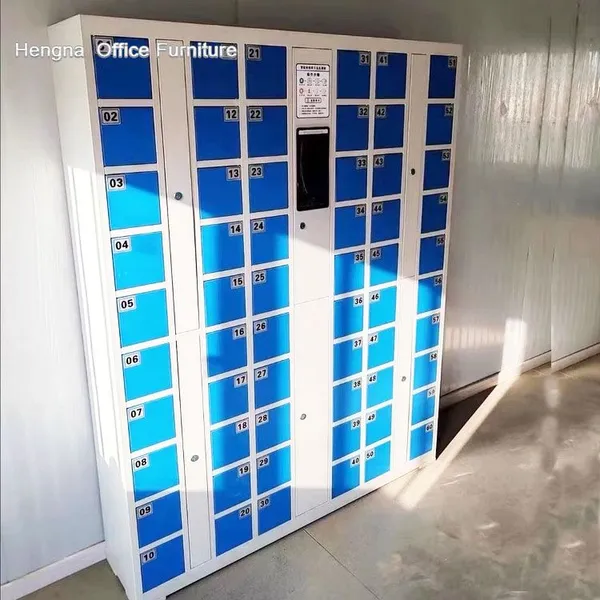
Smart Phone Charging Locker 40-door|Fingerprint Lockers Intelligent Parcel Delivery CabinetUS$ 203 - 750MOQ: 15 Pieces
-
School Gym Lockers Price |Parcel Delivery Storage Locker 12-door FactoryUS$ 203 - 750MOQ: 15 Pieces
-
Multi Metal Work Benches Electrical Workshop Workbench|US$ 300 - 800MOQ: 2 Cases
-
Commercial Workbench Supplier |Multi Metal Work Bench With Drawers OMDUS$ 300 - 800MOQ: 2 Cases
-
Pathological Ection Cabinet JTGZ062 Wax Block Cabinet for LaboratoryNegotiableMOQ: 10 Pieces
-
Durable Tool Storage in Factory HNGJ703 Hard Wearing Metal Industrial Tool ChestNegotiableMOQ: 18 Pieces
-
High - Quality CNC Workshop Tool Cabinet Heavyweight Workshop Tool OrganizerNegotiableMOQ: 10 Pieces
-
Laboratory Polyethylene Acid and Corrosive Chemicals Safety Storage PP CabinetUS$ 340 - 600MOQ: 5 Combos
-
22 Gallons /80 L PP Acid - Base Cabinet: Safeguard Chemical Storage Supplier OEMUS$ 500 - 600MOQ: 5 Combos
-
4 - Gallon Corrosion-resistant Safety Cabinet for Hazardous Chemicals Acid SupplierUS$ 340 - 500MOQ: 5 Combos