
 Business License

Steel vs. Wood Printer Stands: Steel vs. Wood Printer Stands
When furnishing a high-traffic commercial office or a rugged industrial workspace, procurement managers often face a common dilemma: Should they opt for the traditional aesthetic of wood or the cold efficiency of steel? While wooden furniture may blend seamlessly into a home-like environment, the demands of industrial use tell a different story.
In this durability test, we break down why Steel Printer Stands are rapidly replacing wood and particle board alternatives in professional environments.
1. Structural Longevity and "Creep" Resistance
The most significant disadvantage of wood (especially MDF or particle board) in a B2B setting is its susceptibility to "creep." When a heavy copier—often weighing between 50KG and 120KG—sits on a wooden shelf for years, the fibers gradually lose their elasticity, leading to a permanent sag.
Cold-rolled steel, by contrast, possesses a high yield strength. It can support massive loads (up to 150KG+) indefinitely without bowing or structural fatigue. For industrial use, this means the stand you buy today will remain as level and stable in ten years as it was on day one.
2. Environmental Resilience: Humidity and Heat
Industrial workshops, warehouses, and even high-volume printing rooms often experience fluctuating temperatures and humidity levels.
The Wood Problem: Wood is a hygroscopic material. It absorbs and releases moisture, causing it to swell, warp, or crack over time. Furthermore, the heat generated by large laser printers can dry out wooden panels, weakening the adhesives used in composite boards.
The Steel Advantage: Steel is inert. It is unaffected by humidity and can withstand the heat cycles of heavy-duty machinery. With a professional electrostatic powder coating, steel printer stands become virtually waterproof and rust-resistant, making them ideal for laboratories and damp environments.
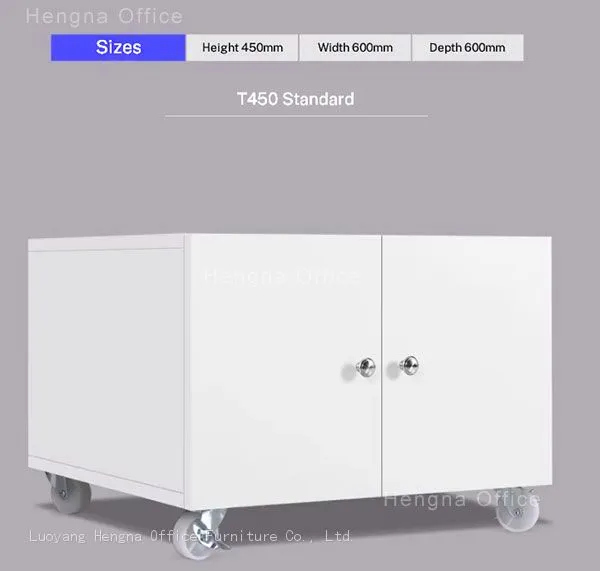
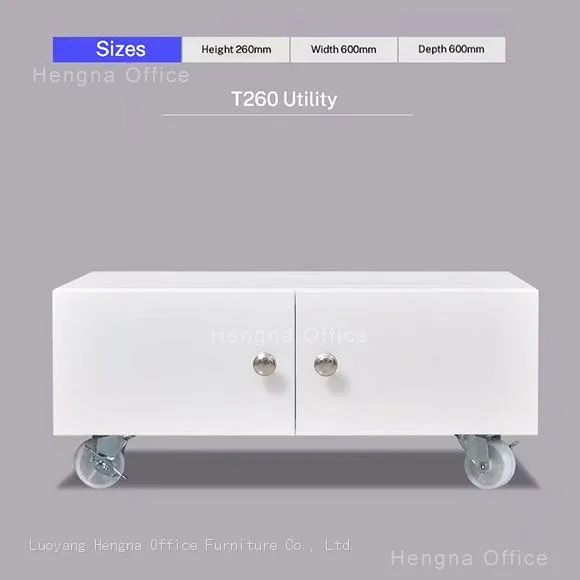
3. Industrial Maintenance and Hygiene
In a post-pandemic world, the ability to sanitize surfaces is paramount, especially in healthcare and educational facilities.
| Feature | Wood/Laminate Stands | Steel Printer Stands |
| Cleaning Agents | Harsh chemicals can peel laminate or damage wood grain. | Powder-coated steel is resistant to medical-grade disinfectants. |
| Scratch Resistance | Easily scratched by paper cutters or metal tools. | High-quality powder coating offers superior scratch and impact resistance. |
| Pest Resistance | Susceptible to termites or beetles in certain climates. | 100% immune to pests and mold. |
4. Stability During Operation
High-speed commercial printers involve significant internal kinetic energy. The rapid movement of print heads and paper rollers creates vibrations.
Steel’s Rigidity: A welded or bolted steel frame provides a solid, non-resonant base that dampens these vibrations. This is crucial for maintaining the precision of the printing equipment.
Wood’s Flexibility: Wooden joints (dowels and cams) can loosen over time due to machine vibration, leading to a "wobbly" stand that compromises safety.
5. Safety and Fire Retardancy
In many industrial and government sectors, fire safety compliance is non-negotiable. Wooden furniture acts as fuel in the event of a fire. Steel printer stands are non-combustible. For B2B buyers in the insurance-sensitive sectors or high-risk environments like workshops, the fire-retardant nature of steel provides an essential layer of risk mitigation.
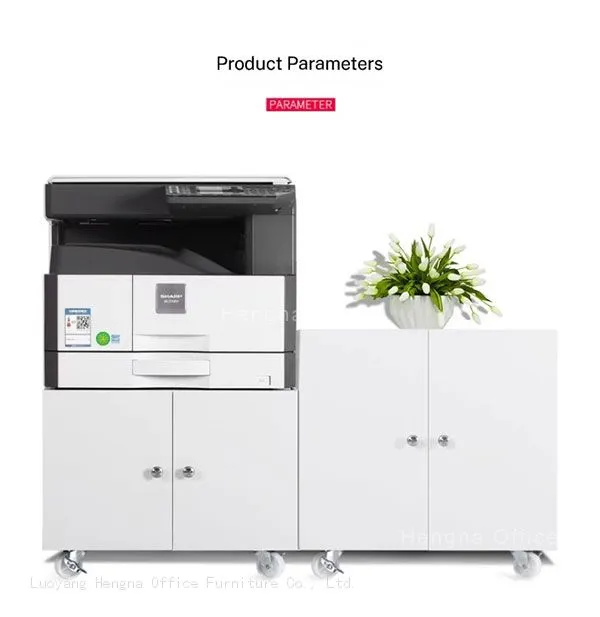
6. Total Cost of Ownership (TCO)
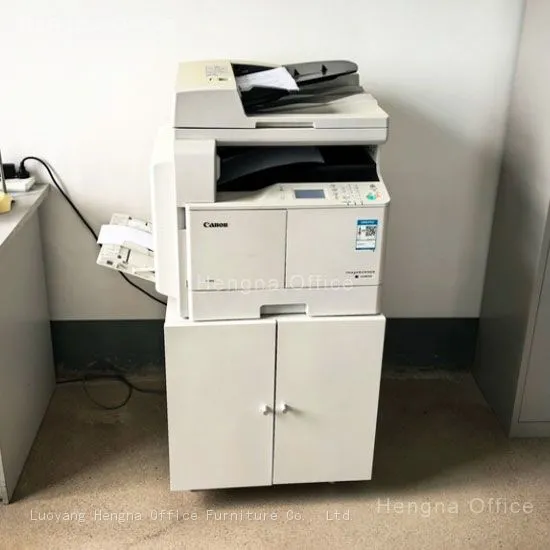
While a particle board stand might have a lower initial purchase price, its lifecycle is significantly shorter. In a commercial setting, a wooden stand may need replacement every 2-3 years due to wear and tear. A heavy-duty steel printer cabinet is a one-time investment. When you calculate the cost over a 10-year period, steel proves to be the significantly more economical choice for B2B procurement.
Summary for Procurement Teams
For home use, wood is fine. But for industrial use, the decision is clear. If your requirements include supporting 100KG+, resistance to chemicals, and a decade-long lifespan, steel is the only viable option.
Recently Posted
-
Louvered Panel vs Round Hole Pegboard — Which Tool Wall Holds Hooks and Bins Together?
August 31, 2026Louvered Panel vs Round Hole Pegboard — Which Tool Wall Holds Hooks and Bins Together?Short answer: if you only hang tools, round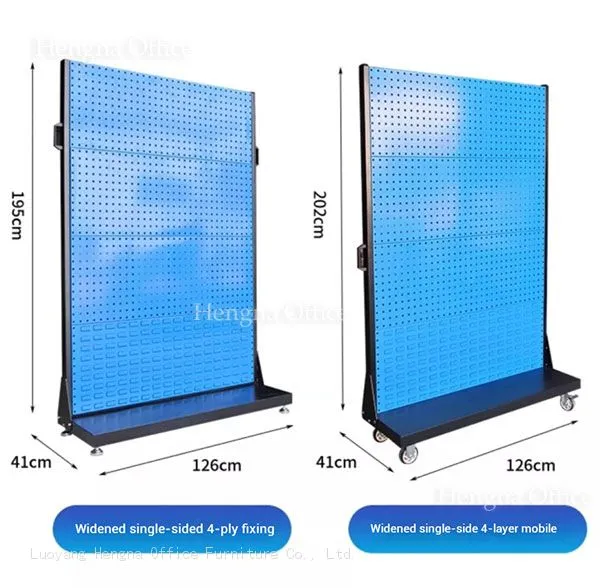 Read More
 -
Welded vs Boltless Steel Shelving — Looks Strong at the Factory, Falls Apart at the Port
August 7, 2026Welded vs Boltless Steel Shelving — Looks Strong at the Factory, Falls Apart at the PortHere's a story every steel shelving im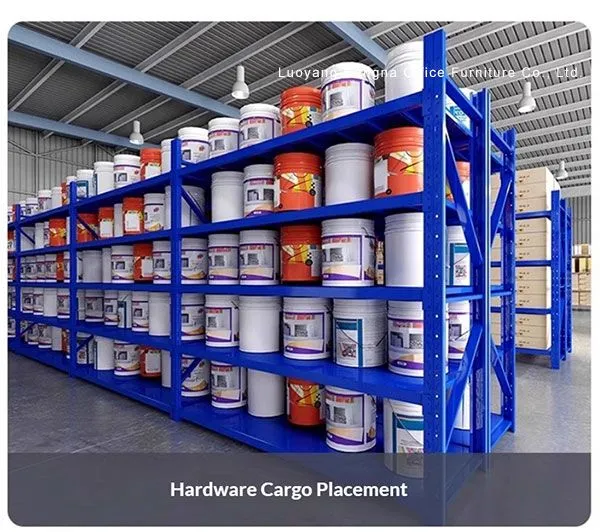 Read More
 -
You Asked a Steel Shelving Supplier for a Price. Here's What You Should Have Asked First.
August 7, 2026You found a steel shelving supplier. Their listing looks clean. You sent the message every first-time importer sends: "What&#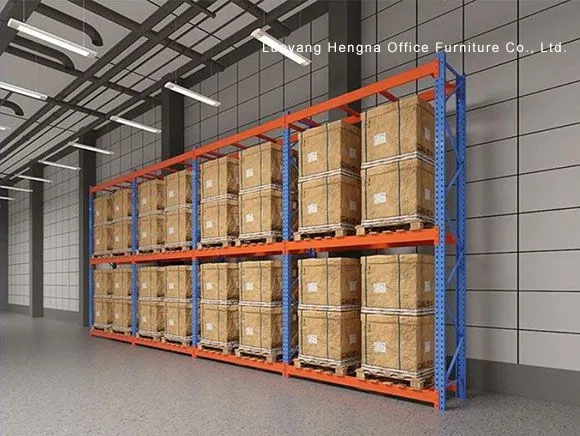 Read More
 -
Heavy Duty Steel Workbench for Auto Repair — Cold Rolled Frame vs What Most Garages Use
August 5, 2026Mike has been running his independent garage for eleven years. Three bays, two mechanics, a steady stream of brake jobs and transm Read More

Contact Us
Recommended Products
-
 Industrial-Grade ABS Plastic Locker for Factory Staff and Warehouse Workers|Hengna OfficeUS$ 19 - 100MOQ: 5 Sets
 -
Outdoor ABS Locker Cabinet – UV-Resistant Plastic Storage for Poolside or Beach Resorts-Hengna OfficeUS$ 19 - 100MOQ: 5 Sets
-
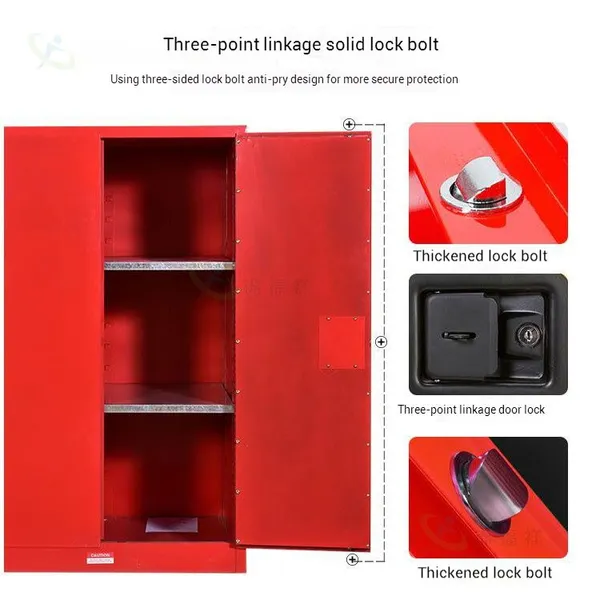
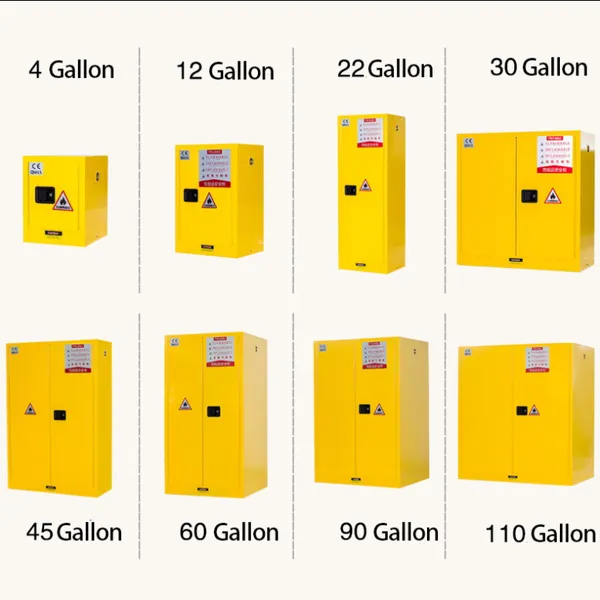
45 Gallon Explosion-Proof Flammable Liquid Storage Cabinet – Fire-Resistant Steel Safety Cabinet for FactoriesUS$ 68 - 400MOQ: 2 Combos
-
Flammable Storage Cabinet for Flammable Liquids – OSHA Certified Safety Cabinet With Fireproof Double WallsUS$ 68 - 400MOQ: 2 Combos
-
Large Capacity Flammable Liquid Storage Cabinet – Explosion-Proof Safety Cabinet for Laboratory & Workshop UseUS$ 68 - 400MOQ: 2 Combos
-
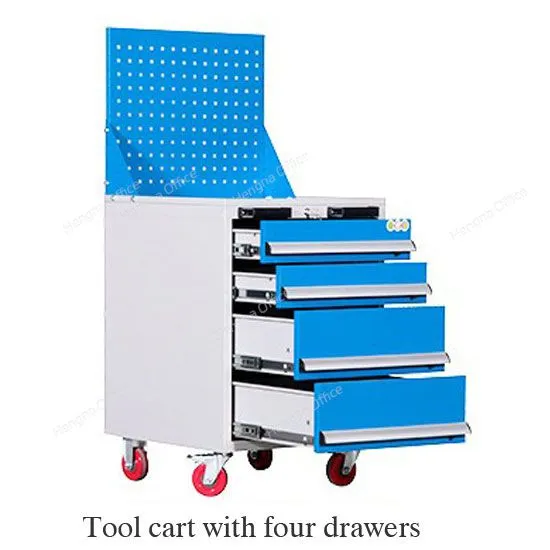
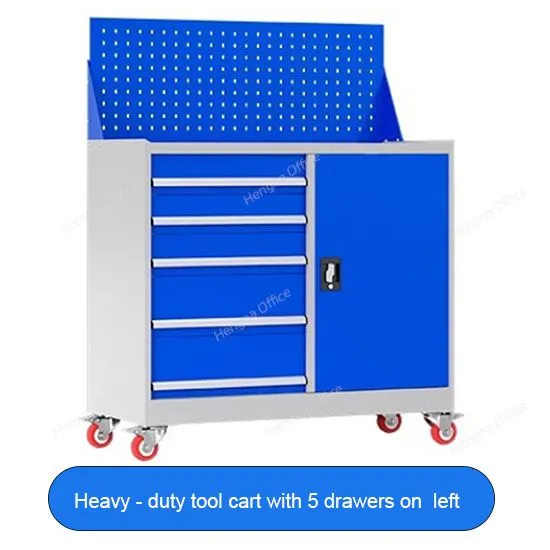
Heavy Duty Steel Tool Cart With Drawers for Workshops|Hengna OfficeUS$ 99 - 269MOQ: 2 Cases
-
Wholesale 3-Drawer Tool Trolley With Wheels for Factory and Garage StorageUS$ 99 - 269MOQ: 2 Cases
-
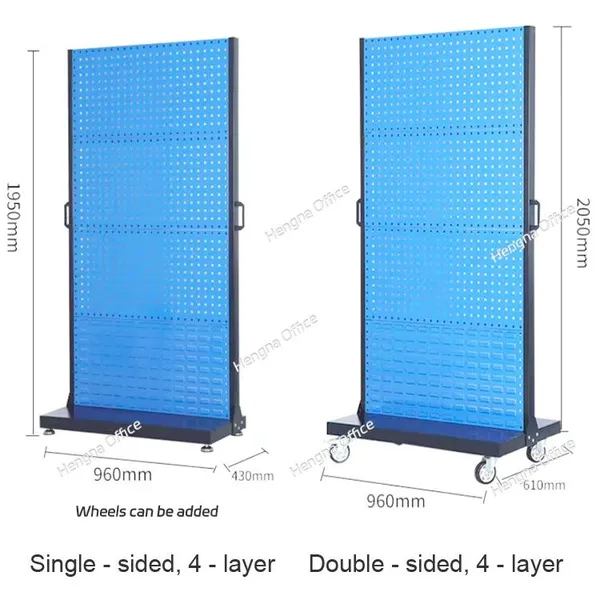
HN-wlj160 Industrial Rolling Tool Organizer With Pegboard|All-in-One Mobile Tool Storage CartUS$ 5 - 120MOQ: 2 Cases
-
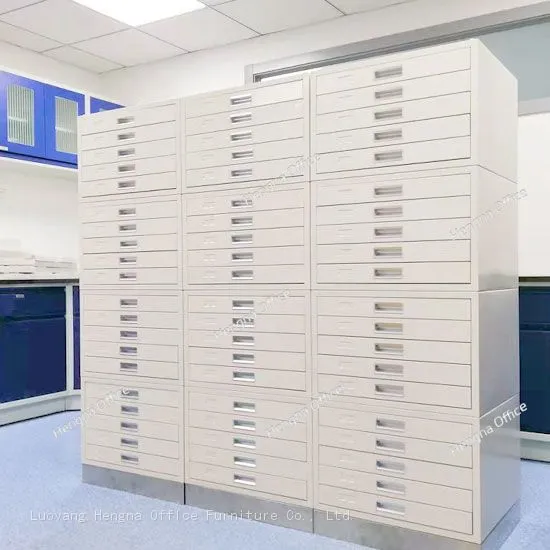
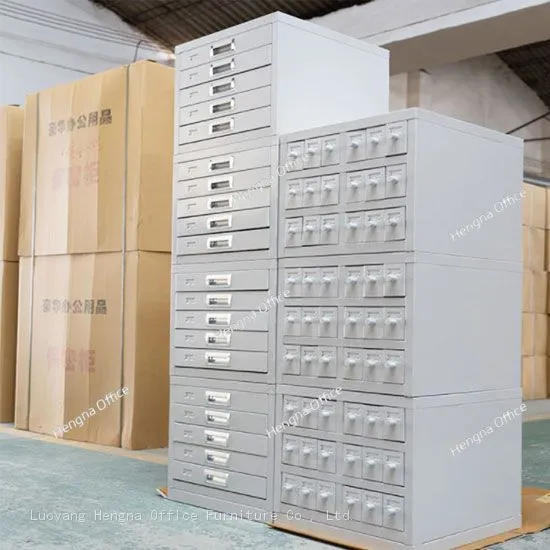
White Stackable Pathology Wax Block Storage Drawers for Labs Near London-Hengna OfficeNegotiableMOQ: 10 Pieces
-
Custom Paraffin Block Storage Cabinet for Histology Laboratories – Factory Direct From Hengna FurnitureNegotiableMOQ: 10 Pieces
-
Smart Phone Charging Locker 40-door|Fingerprint Lockers Intelligent Parcel Delivery CabinetUS$ 203 - 750MOQ: 15 Pieces
-
School Gym Lockers Price |Parcel Delivery Storage Locker 12-door FactoryUS$ 203 - 750MOQ: 15 Pieces
-
Multi Metal Work Benches Electrical Workshop Workbench|US$ 300 - 800MOQ: 2 Cases
-
Commercial Workbench Supplier |Multi Metal Work Bench With Drawers OMDUS$ 300 - 800MOQ: 2 Cases
-
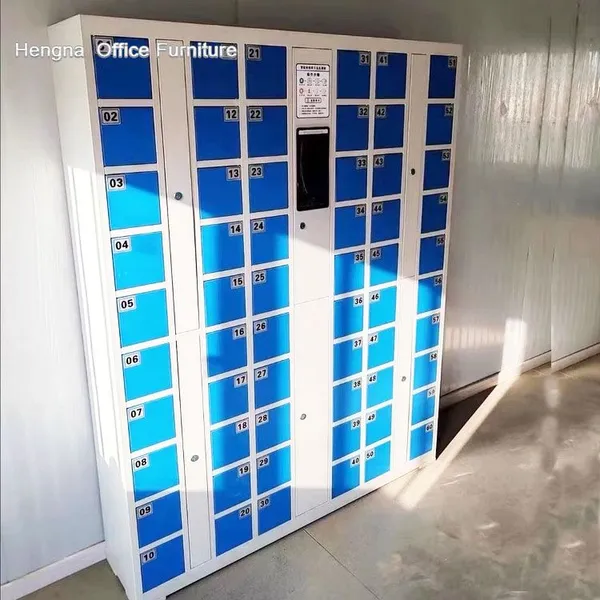
Pathological Ection Cabinet JTGZ062 Wax Block Cabinet for LaboratoryNegotiableMOQ: 10 Pieces
-
Durable Tool Storage in Factory HNGJ703 Hard Wearing Metal Industrial Tool ChestNegotiableMOQ: 18 Pieces
-
High - Quality CNC Workshop Tool Cabinet Heavyweight Workshop Tool OrganizerNegotiableMOQ: 10 Pieces
-
Laboratory Polyethylene Acid and Corrosive Chemicals Safety Storage PP CabinetUS$ 340 - 600MOQ: 5 Combos
-
22 Gallons /80 L PP Acid - Base Cabinet: Safeguard Chemical Storage Supplier OEMUS$ 500 - 600MOQ: 5 Combos
-
4 - Gallon Corrosion-resistant Safety Cabinet for Hazardous Chemicals Acid SupplierUS$ 340 - 500MOQ: 5 Combos