
 Business License

How to Choose the Right Pathology Storage Cabinet for Your Growing Medical Lab?
As medical laboratories expand, the volume of diagnostic specimens—specifically microscope slides and paraffin blocks—increases exponentially. Choosing the right storage system is not just about furniture; it is about ensuring long-term sample integrity, optimizing laboratory workflow, and meeting strict regulatory archiving requirements.
1. Assess Your Current and Future Capacity
The first mistake many growing labs make is purchasing storage based on current needs without accounting for 5 to 10 years of growth. A standard pathology cabinet should offer a modular design.
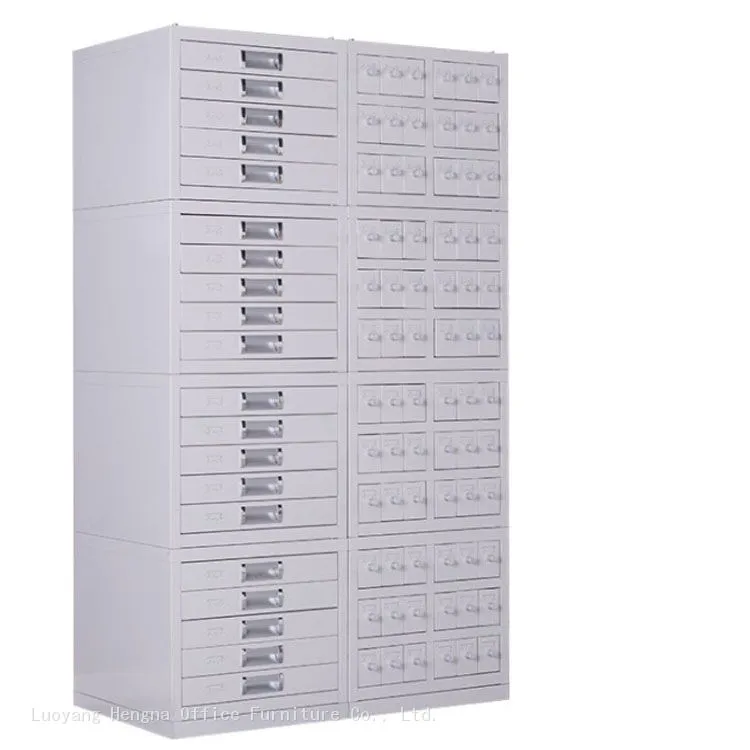
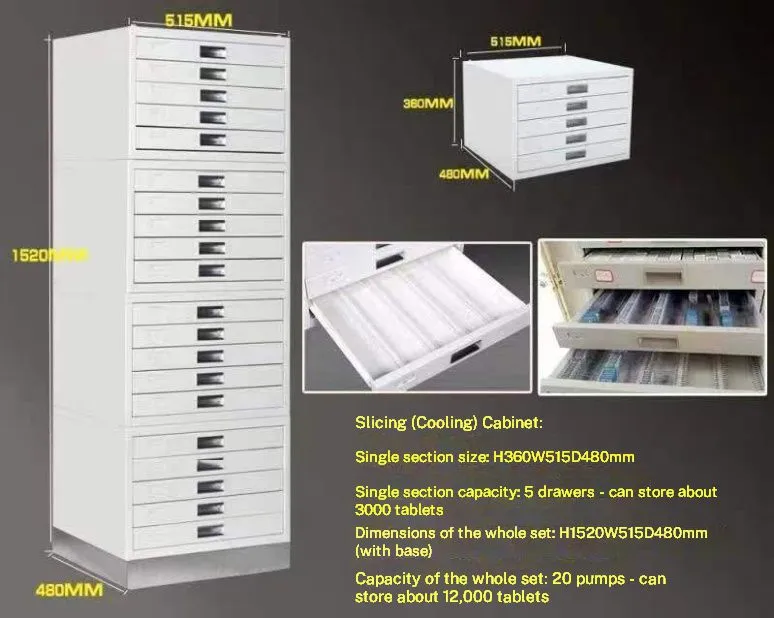
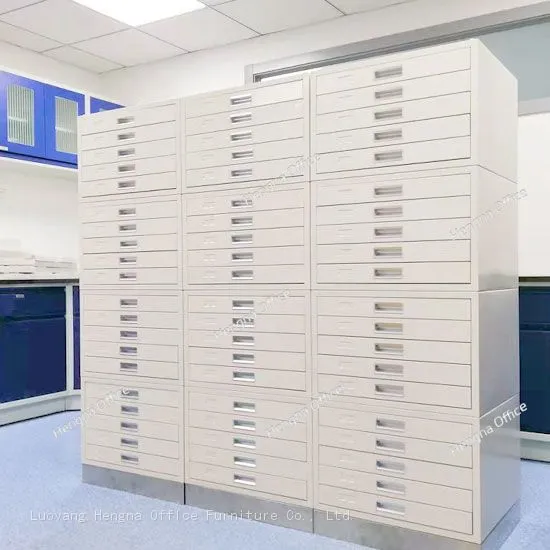
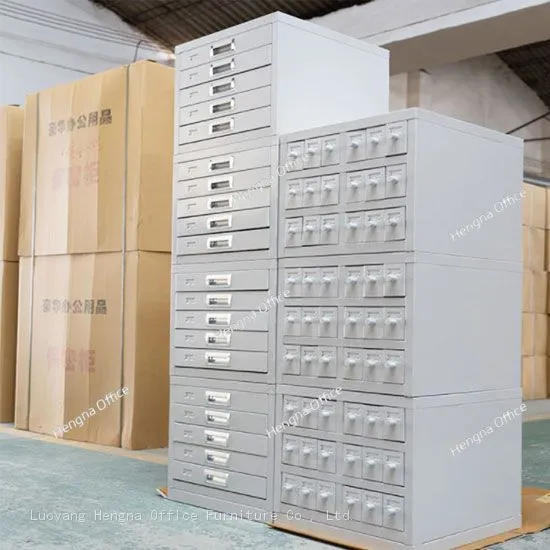
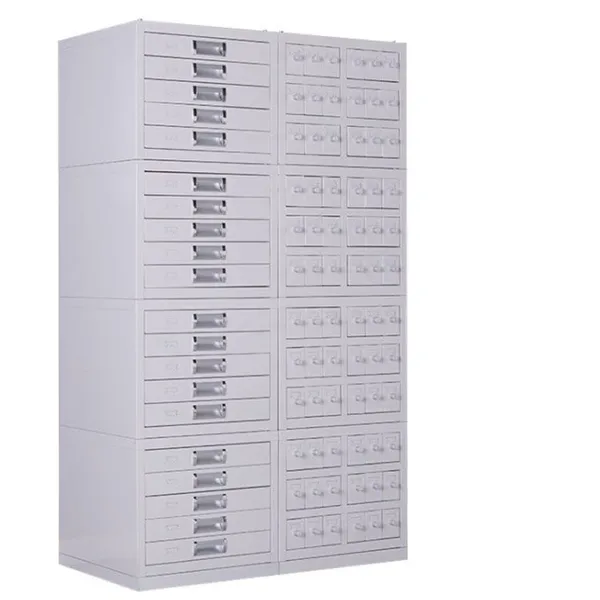
Slide Capacity: A typical high-density 14-drawer unit can hold approximately 55,000 to 60,000 slides.
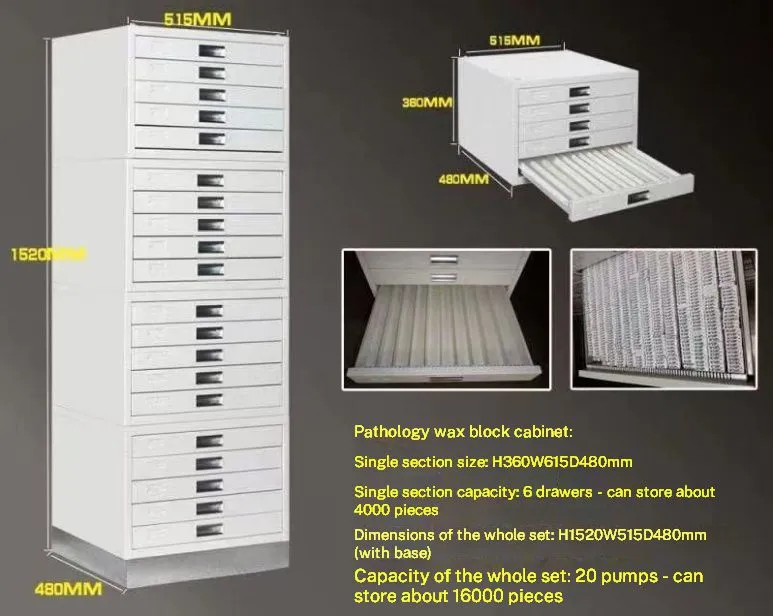
Block Capacity: Paraffin block cabinets usually accommodate 3,000 to 4,500 blocks per unit depending on the drawer height.
Growth Tip: Look for stackable units that allow you to add sections vertically, saving precious floor space.
2. Material Durability: Why Steel is Non-Negotiable
In a clinical environment, the durability of the cabinet directly affects the safety of the samples. Medical labs often deal with fluctuating humidity and chemical exposure (such as formaldehyde or xylene).
| Feature | Steel Cabinets | Plastic/Wood Alternatives |
| Durability | High (20+ years) | Low (prone to warping) |
| Weight Support | Excellent for heavy paraffin | Poor (drawers may sag) |
| Chemical Resistance | High (with powder coating) | Moderate to Low |
| Fire Resistance | Non-combustible | Flammable |
For a growing lab, heavy-duty cold-rolled steel with an anti-corrosion powder coating is the industry standard for longevity.
3. The Mechanics: Precision Slides and Interlocking Systems
When drawers are fully loaded with glass slides, they become incredibly heavy. The "feel" of the drawer is a key indicator of quality.
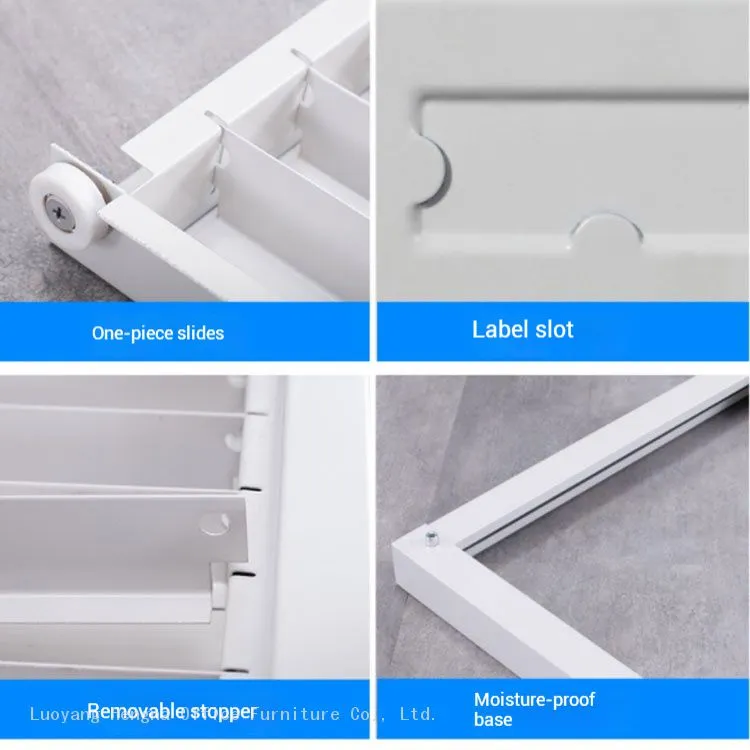
Ball Bearing Slides: Ensure the drawers open smoothly even under maximum load. This prevents the jarring movements that can cause slides to rattle or chip.
Anti-Tip Mechanisms: As you stack cabinets higher to save space, safety becomes paramount. Interlocking systems that prevent more than one drawer from being opened at a time are essential to prevent the unit from tipping forward.
4. Efficient Retrieval: The Indexing System
A laboratory's efficiency is measured by how quickly a technician can retrieve a specific historical sample. A professional storage cabinet must include:
Integrated Label Frames: Large, clear metal frames on the front of every drawer for precise indexing.
Internal Dividers: Fixed slots or adjustable dividers that keep slides upright and separated, preventing friction and surface damage.
5. Mobility and Floor Layout
For labs that anticipate reorganization or frequent cleaning, the base of the cabinet system is vital.
Fixed Bases: Provide maximum stability for very high stacks.
Mobile Bases with Casters: Allow for "flexible lab" layouts where storage units can be moved for floor maintenance or facility relocation without unloading thousands of samples.
Summary Checklist for Procurement Officers
Before placing an order, verify the following specifications with your supplier:
Material Gauge: Is it at least 0.8mm to 1.0mm thick?
Modular Compatibility: Can new units be seamlessly added to existing ones?
Coating Standard: Is the finish resistant to laboratory reagents?
Drawer Security: Does it include a locking mechanism for sensitive patient data/samples?
Conclusion
Selecting a pathology storage cabinet is a long-term investment. By prioritizing modular scalability, mechanical precision, and material grade, lab managers can ensure that their facility remains organized and compliant as their specimen volume grows.
Recently Posted
-
Louvered Panel vs Round Hole Pegboard — Which Tool Wall Holds Hooks and Bins Together?
August 31, 2026Louvered Panel vs Round Hole Pegboard — Which Tool Wall Holds Hooks and Bins Together?Short answer: if you only hang tools, round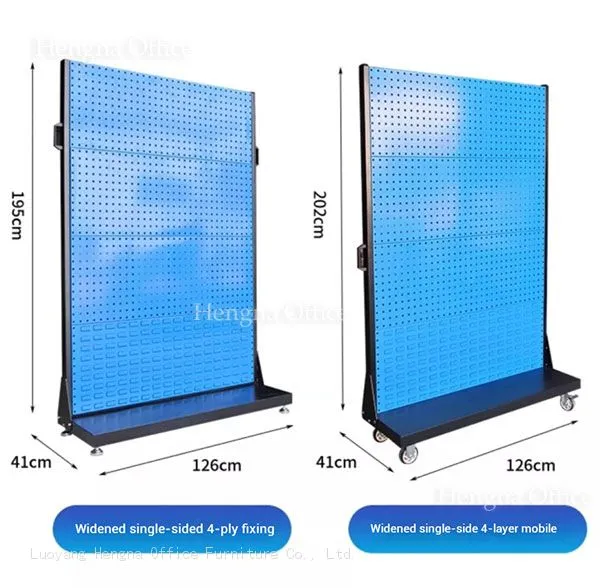 Read More
 -
Welded vs Boltless Steel Shelving — Looks Strong at the Factory, Falls Apart at the Port
August 7, 2026Welded vs Boltless Steel Shelving — Looks Strong at the Factory, Falls Apart at the PortHere's a story every steel shelving im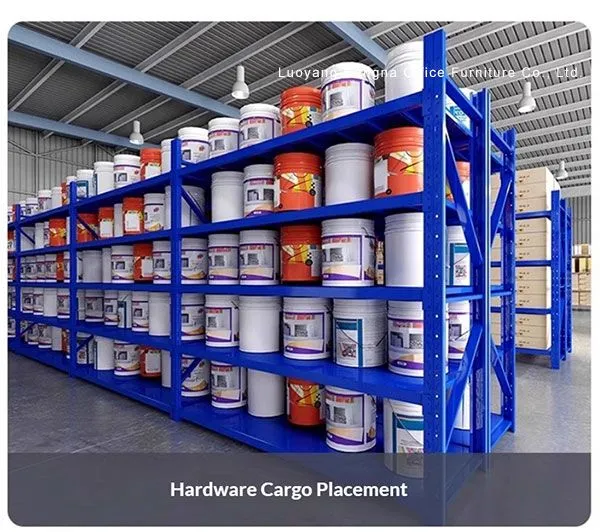 Read More
 -
You Asked a Steel Shelving Supplier for a Price. Here's What You Should Have Asked First.
August 7, 2026You found a steel shelving supplier. Their listing looks clean. You sent the message every first-time importer sends: "What&# Read More
 -
Heavy Duty Steel Workbench for Auto Repair — Cold Rolled Frame vs What Most Garages Use
August 5, 2026Mike has been running his independent garage for eleven years. Three bays, two mechanics, a steady stream of brake jobs and transm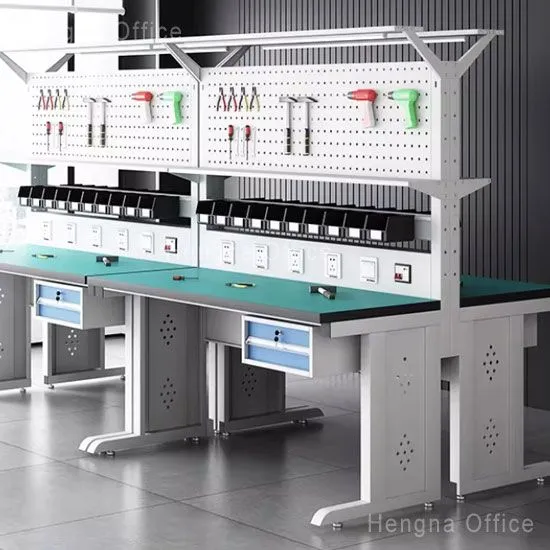 Read More

Contact Us
Recommended Products
-
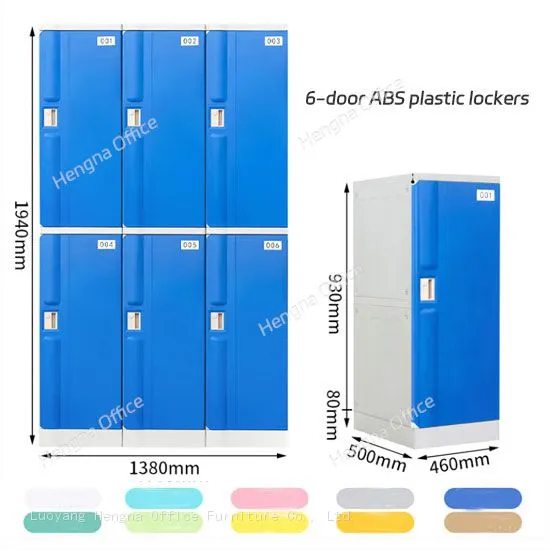
 Industrial-Grade ABS Plastic Locker for Factory Staff and Warehouse Workers|Hengna OfficeUS$ 19 - 100MOQ: 5 Sets
 -
Outdoor ABS Locker Cabinet – UV-Resistant Plastic Storage for Poolside or Beach Resorts-Hengna OfficeUS$ 19 - 100MOQ: 5 Sets
-
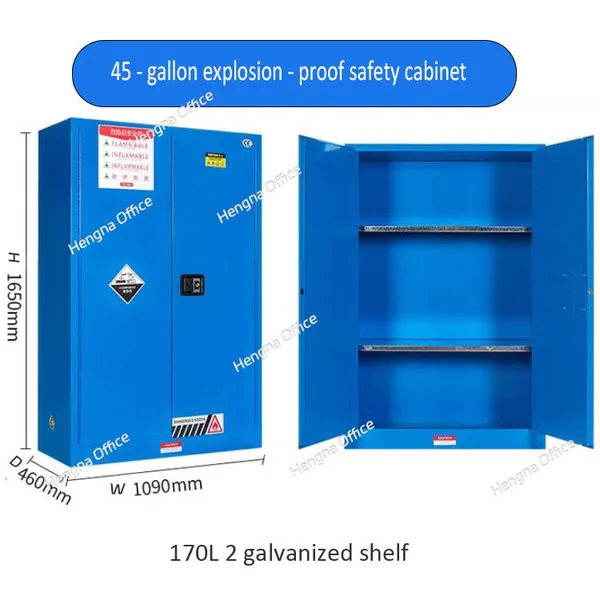
45 Gallon Explosion-Proof Flammable Liquid Storage Cabinet – Fire-Resistant Steel Safety Cabinet for FactoriesUS$ 68 - 400MOQ: 2 Combos
-
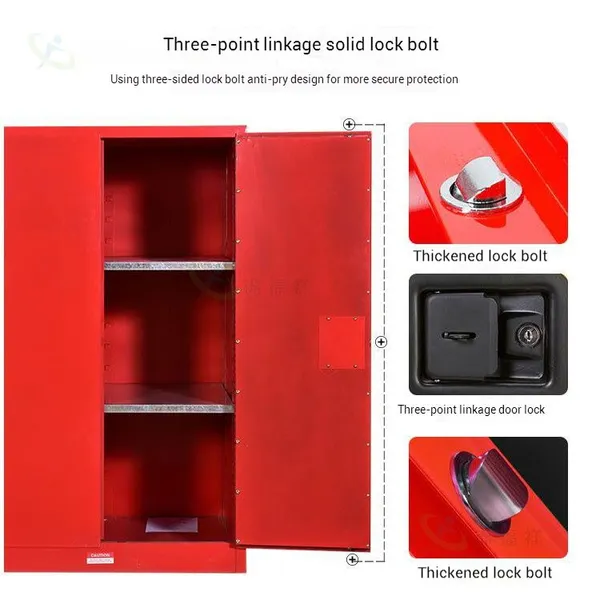
Flammable Storage Cabinet for Flammable Liquids – OSHA Certified Safety Cabinet With Fireproof Double WallsUS$ 68 - 400MOQ: 2 Combos
-
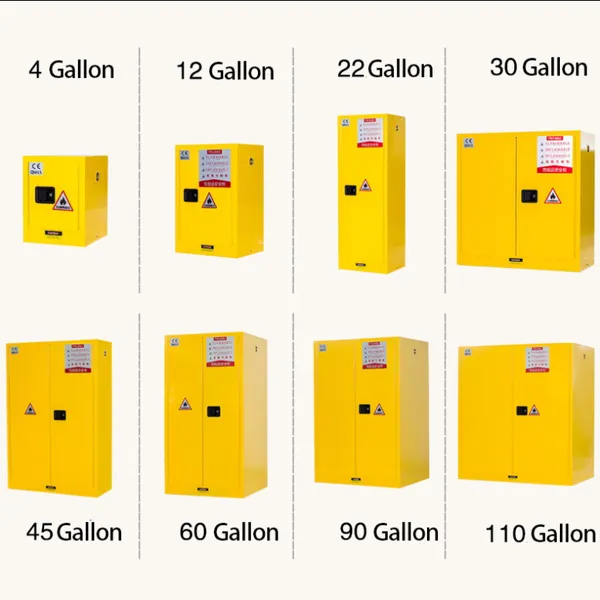
Large Capacity Flammable Liquid Storage Cabinet – Explosion-Proof Safety Cabinet for Laboratory & Workshop UseUS$ 68 - 400MOQ: 2 Combos

-
Heavy Duty Steel Tool Cart With Drawers for Workshops|Hengna OfficeUS$ 99 - 269MOQ: 2 Cases
-
Wholesale 3-Drawer Tool Trolley With Wheels for Factory and Garage StorageUS$ 99 - 269MOQ: 2 Cases
-
HN-wlj160 Industrial Rolling Tool Organizer With Pegboard|All-in-One Mobile Tool Storage CartUS$ 5 - 120MOQ: 2 Cases
-
White Stackable Pathology Wax Block Storage Drawers for Labs Near London-Hengna OfficeNegotiableMOQ: 10 Pieces
-
Custom Paraffin Block Storage Cabinet for Histology Laboratories – Factory Direct From Hengna FurnitureNegotiableMOQ: 10 Pieces
-
Smart Phone Charging Locker 40-door|Fingerprint Lockers Intelligent Parcel Delivery CabinetUS$ 203 - 750MOQ: 15 Pieces
-
School Gym Lockers Price |Parcel Delivery Storage Locker 12-door FactoryUS$ 203 - 750MOQ: 15 Pieces
-
Multi Metal Work Benches Electrical Workshop Workbench|US$ 300 - 800MOQ: 2 Cases
-
Commercial Workbench Supplier |Multi Metal Work Bench With Drawers OMDUS$ 300 - 800MOQ: 2 Cases
-
Pathological Ection Cabinet JTGZ062 Wax Block Cabinet for LaboratoryNegotiableMOQ: 10 Pieces
-
Durable Tool Storage in Factory HNGJ703 Hard Wearing Metal Industrial Tool ChestNegotiableMOQ: 18 Pieces
-
High - Quality CNC Workshop Tool Cabinet Heavyweight Workshop Tool OrganizerNegotiableMOQ: 10 Pieces
-
Laboratory Polyethylene Acid and Corrosive Chemicals Safety Storage PP CabinetUS$ 340 - 600MOQ: 5 Combos
-
22 Gallons /80 L PP Acid - Base Cabinet: Safeguard Chemical Storage Supplier OEMUS$ 500 - 600MOQ: 5 Combos
-
4 - Gallon Corrosion-resistant Safety Cabinet for Hazardous Chemicals Acid SupplierUS$ 340 - 500MOQ: 5 Combos