
 Business License

Janitorial Storage Cabinets in Calgary, Alberta: Steel or Stainless for Facility Managers?
Ask the facilities team of any large building what they store in the janitorial closets, and the answer barely changes from tower to school to recreation centre: mops, paper, refills, the wet gear. What does change is the room. Some closets sit beside washrooms and stay damp all year; some sit in dry corridors; and most buildings in Calgary carry both. That split is exactly why the steel-or-stainless question comes up for janitorial storage cabinets in Calgary, Alberta — the two materials answer different rooms, and most facilities need both. This piece walks one building room by room, settles which cabinet goes where, and covers the part nobody writes about: who should be supplying it. That last part is local: the cabinets on Calgary shelves are sold through distributors, and the factory-direct option changes the math for anyone ordering more than one. This piece is that math, room by room.
The Dry Corridors: Where Steel Fits
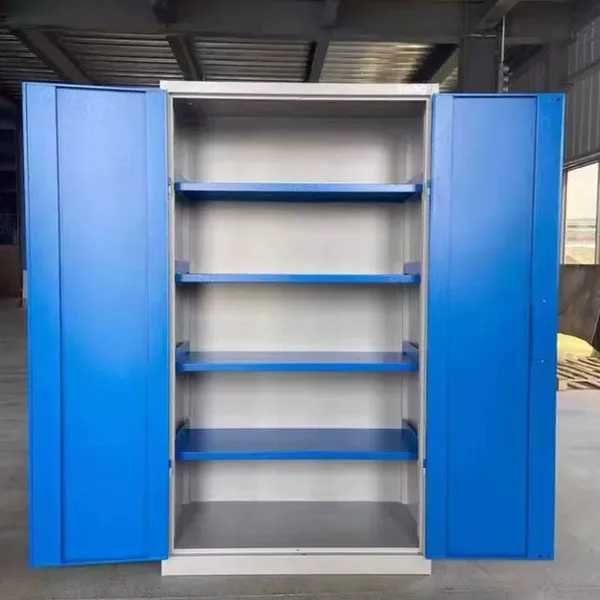
The corridor cabinets handle the dry side. Paper stock, liners, refill bottles, the gear the custodial team restocks daily — none of it needs a stainless surface, and powder-coated steel takes the daily handling better than anything else in that budget class. A modular steel cleaning supply cabinet in the corridor holds the stock for the wing, closes it away from students and visitors, and re-configures as the building changes use. In schools the same cabinet carries the term stock; in office towers it carries the quarter. The body is welded cold-rolled steel with a powder-coated finish — it takes the trolley scrapes and the kicked corners, and the modular interior lays out to the wing routine: paper where the team reaches it, refills below, the daily gear at hand height. One cabinet per wing turns the corridor into the supply point instead of a walk to the basement. One per floor of classrooms keeps the custodial route short, and the corridor placement puts the gear thirty seconds from any spill.
The Wet Rooms: Where Stainless Fits
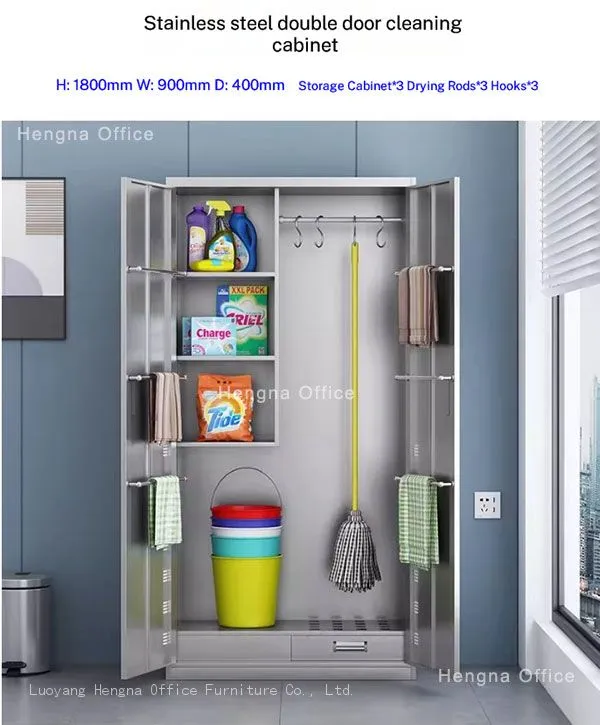
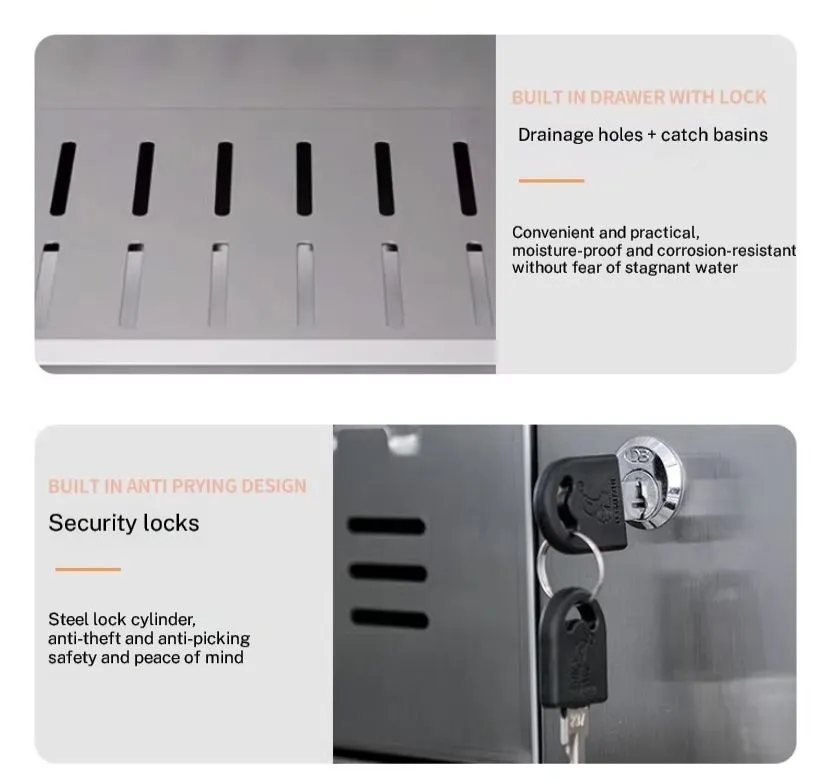
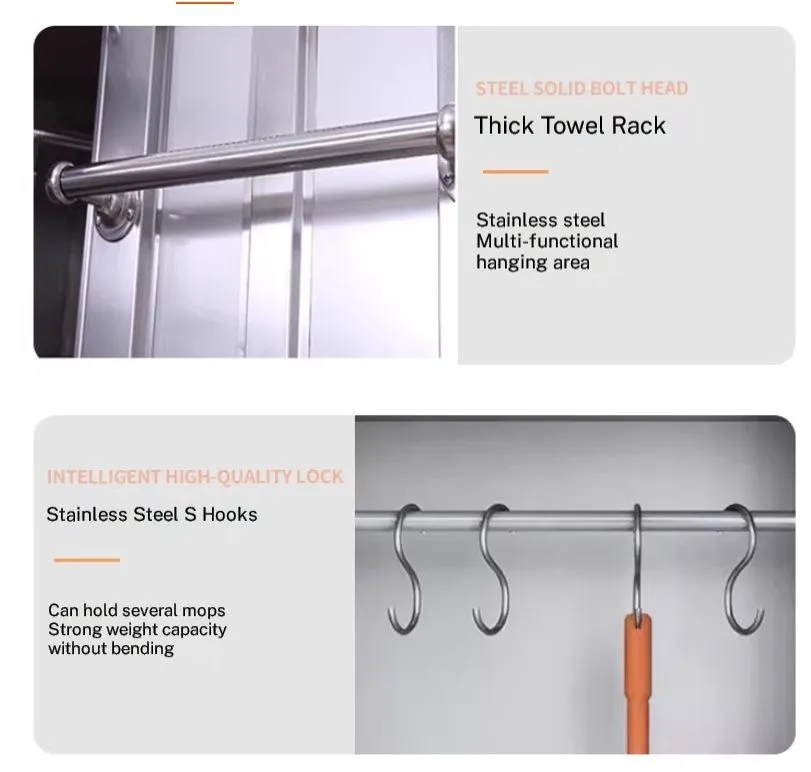
Some rooms never dry. The janitorial closet beside a washroom bank stays damp from the mops and the bucket; storage near a pool or fitness area lives in humid air; and any coated-steel cabinet standing in that damp runs on a clock — the coat scratches, the condensation gets in, and the rust arrives exactly where the supplies sit. A stainless steel janitorial cabinet takes the same room without the countdown: the alloy carries its own protection through the panel, the surfaces wipe to the disinfectant standard the site runs, and the base that stands in the damp stays the metal it was on delivery. In Calgary facilities these are the closets beside the washroom banks and the fitness rooms — the ones the inspection walks first and the ones guests notice first. The material logic is the same one that keeps stainless in commercial kitchens: condensation, splash and daily disinfecting are the working environment, and the alloy treats all three as normal operating conditions instead of slow damage. A closet that holds the wet gear properly also holds the smell down — the detail every facility team learns from the first complaint.
What Calgary Facility Managers Actually Weigh
Three questions decide the order, and they come up in every facility conversation across the city.
The room decides the material. Wet closet: stainless. Dry corridor: powder-coated steel. Most buildings need both, and buying them from one steel family keeps the finishes and the logistics aligned — one order, one freight run to Alberta, one supplier to call. The inspection walks both rooms, and the material choice is visible in each. It also means one finish standard across the building — the mixed-material wall reads as one system.
The supplier decides the math. Calgary janitorial supply runs largely through distributors — stock on local shelves, priced per unit, reordered per quarter. Factory-direct supply runs differently: cabinets ship direct from the manufacturer, the specification is drawn to the building instead of picked from a catalogue, and the pricing sits at factory level rather than retail plus margin. Distributors are the right answer for the emergency order; factory-direct is the answer for the annual replacement plan and the multi-room fit-outs. The two channels also answer different questions: a distributor answers what is on the shelf today; the factory answers what the building needs for the next decade — grade by zone, door counts per room, interior layouts per routine, and finishes matched to the facility instead of whatever the warehouse carries. For a single cabinet the difference is small; for a district or a portfolio it is the whole order. And the specification conversation buyers want is the one only the manufacturer can run.
The volume decides the conversation. One cabinet is a retail question; a district ordering for every school, or a tower portfolio ordering per floor, is a specification conversation — door counts, interior layouts, grade by zone. Multi-site operators across Alberta run the same logic: standardize the cabinet, vary the door material by room, and every facility trains the same way. That is the order type the factory line was built for, and it is where the steel-or-stainless split gets drawn per room on one drawing.
The Decision in One Pass
Dry corridor, school or office: the powder-coated steel cabinet, modular interior, large-capacity layout. Wet room beside the washrooms or the fitness area: the stainless janitorial cabinet — same family, same freight run. A building with both rooms orders both from the same line, and the split is drawn room by room on one specification.
For facility managers in Calgary, that is the whole decision: match the door material to the room, order the set, and let the closets run themselves. The question that opened this piece — steel or stainless — is answered per room, not per building. The building only decides how many of each. The same order covers next year’s additions: add-on bays and replacement doors run through the same drawings, so the standard set in year one still matches in year five. Same frame line, same finish, same parts — the expansion inherits the first order instead of restarting it. And the two-material run reads as one system from the corridor: same finish family, same handles, same doors closed the same way.
Three Questions Facility Managers Ask First
Can the order ship to Alberta? Factory-direct supply ships to Alberta on standard freight, and the quotation includes the run. Multi-room and multi-site orders are specified together so the freight is planned once, not per cabinet. Single buildings, district sets and portfolio orders all run through the same quotation process — the layout is drawn per site.
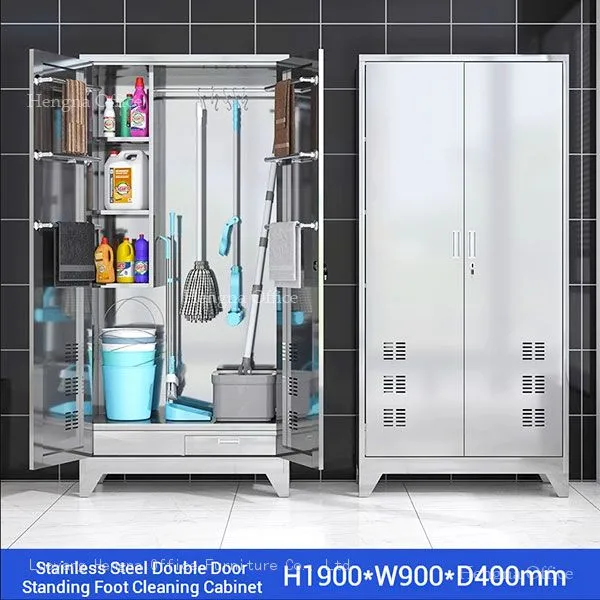
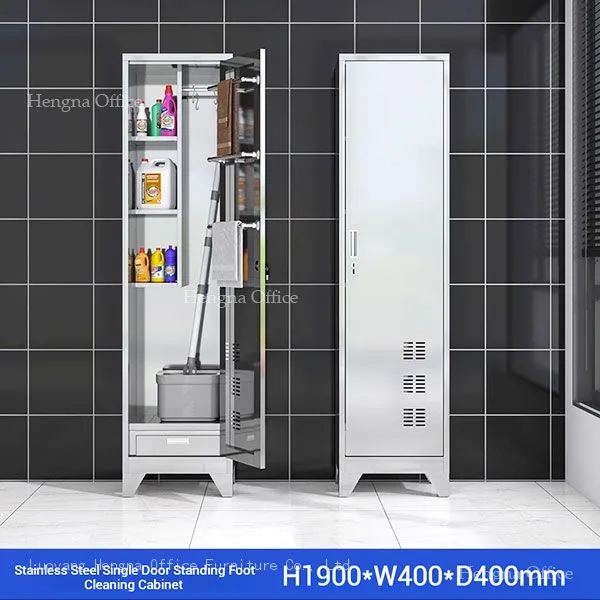
Which grade for a wet closet? 304 for the damp rooms and wash-down areas; 201 where the air runs drier. The grade follows the room the same way the door material does.
Can one order cover a whole district or portfolio? Yes — door counts, interior layouts and colors are specified per building, standardizing the family across sites so every facility runs the same system. Standardizing across sites also means replacement doors and parts match every building.
Ask for the janitorial cabinet quotation, the grade advice, or a per-building layout. Say which rooms run wet and how many sites you manage — the factory answers the same day.
Recently Posted
-
5 Places a Glass Door Storage Cabinet Belongs in a Clinic or Lab (and 3 It Does Not)
October 14, 2026Glass doors make a specific promise in a clinic: everything inside is organized enough to be seen. That promise is also a filter.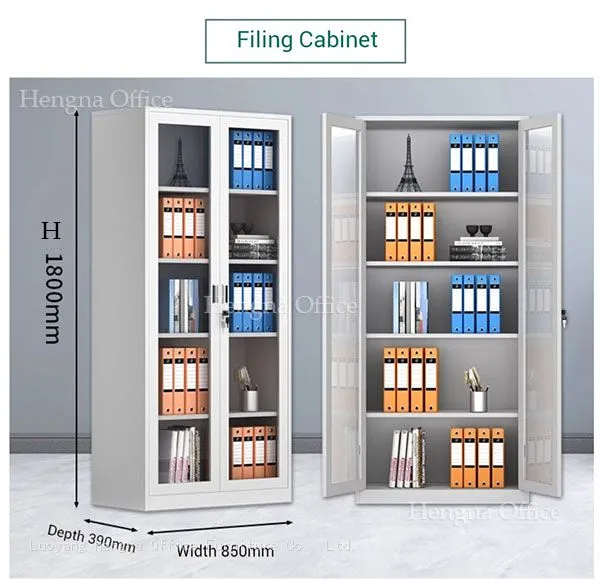 Read More
 -
Glass Door vs Steel Door File Cabinets for Offices: Which One Fits Your Records and Budget
October 14, 2026Offices buy file cabinets twice: once for the files, and once for the room. The first purchase is about capacity and finding thing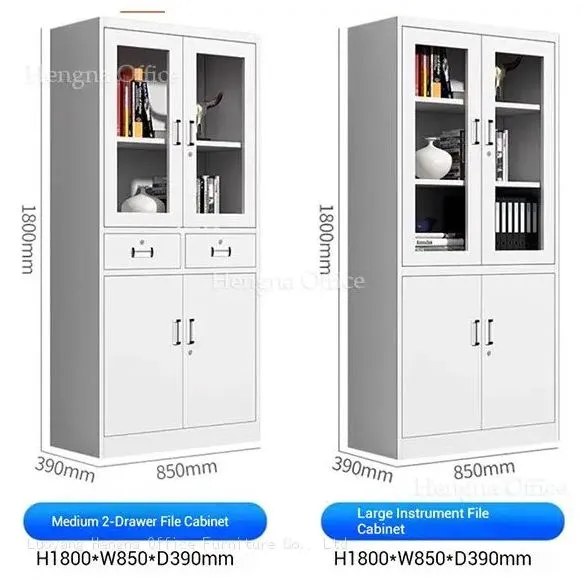 Read More
 -
Louvered Panel vs Round Hole Pegboard — Which Tool Wall Holds Hooks and Bins Together?
August 31, 2026Louvered Panel vs Round Hole Pegboard — Which Tool Wall Holds Hooks and Bins Together?Short answer: if you only hang tools, round Read More
 -
Welded vs Boltless Steel Shelving — Looks Strong at the Factory, Falls Apart at the Port
August 7, 2026Welded vs Boltless Steel Shelving — Looks Strong at the Factory, Falls Apart at the PortHere's a story every steel shelving im Read More

Contact Us
Recommended Products
-
 Industrial-Grade ABS Plastic Locker for Factory Staff and Warehouse Workers|Hengna OfficeUS$ 19 - 100MOQ: 5 Sets
 -
Outdoor ABS Locker Cabinet – UV-Resistant Plastic Storage for Poolside or Beach Resorts-Hengna OfficeUS$ 19 - 100MOQ: 5 Sets
-
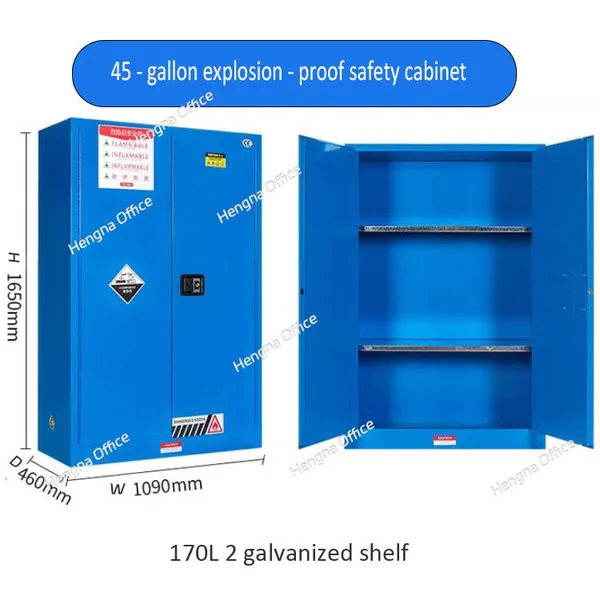
45 Gallon Explosion-Proof Flammable Liquid Storage Cabinet – Fire-Resistant Steel Safety Cabinet for FactoriesUS$ 68 - 400MOQ: 2 Combos
-
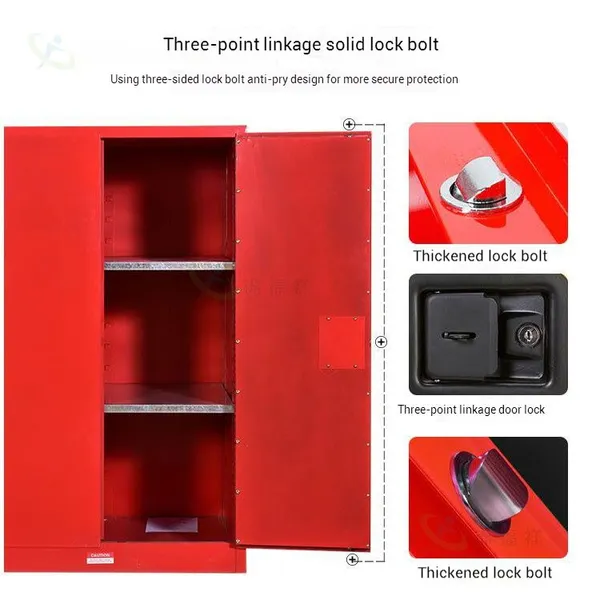
Flammable Storage Cabinet for Flammable Liquids – OSHA Certified Safety Cabinet With Fireproof Double WallsUS$ 68 - 400MOQ: 2 Combos
-
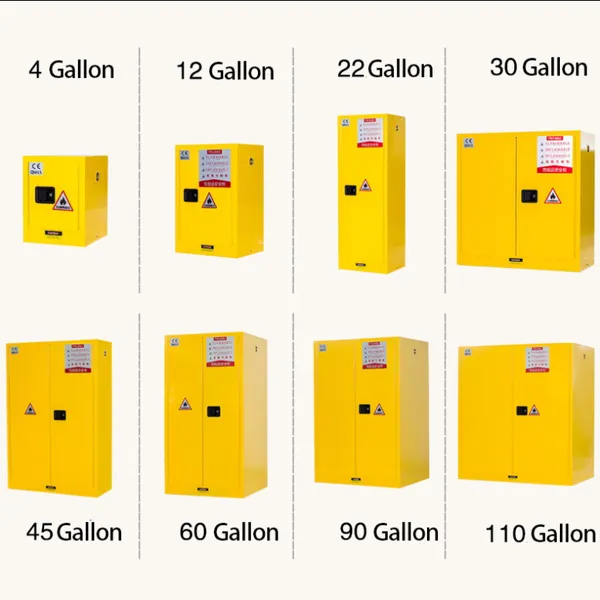
Large Capacity Flammable Liquid Storage Cabinet – Explosion-Proof Safety Cabinet for Laboratory & Workshop UseUS$ 68 - 400MOQ: 2 Combos
-
Heavy Duty Steel Tool Cart With Drawers for Workshops|Hengna OfficeUS$ 99 - 269MOQ: 2 Cases
-
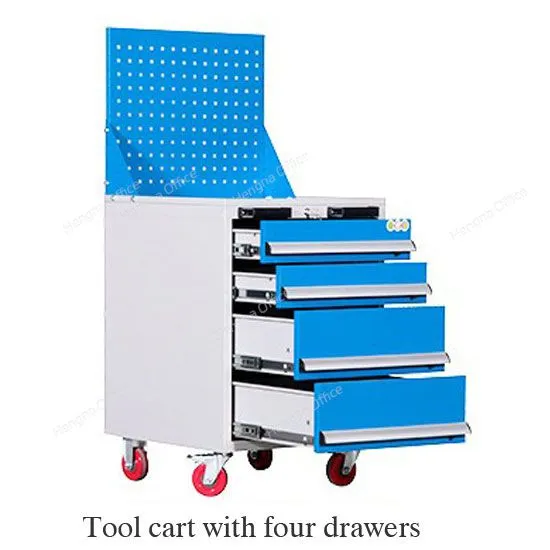
Wholesale 3-Drawer Tool Trolley With Wheels for Factory and Garage StorageUS$ 99 - 269MOQ: 2 Cases
-
HN-wlj160 Industrial Rolling Tool Organizer With Pegboard|All-in-One Mobile Tool Storage CartUS$ 5 - 120MOQ: 2 Cases
-
White Stackable Pathology Wax Block Storage Drawers for Labs Near London-Hengna OfficeNegotiableMOQ: 10 Pieces
-
Custom Paraffin Block Storage Cabinet for Histology Laboratories – Factory Direct From Hengna FurnitureNegotiableMOQ: 10 Pieces
-
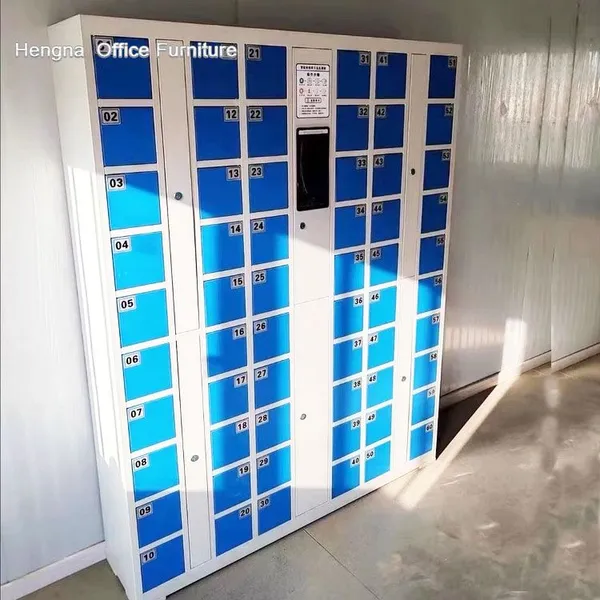
Smart Phone Charging Locker 40-door|Fingerprint Lockers Intelligent Parcel Delivery CabinetUS$ 203 - 750MOQ: 15 Pieces
-
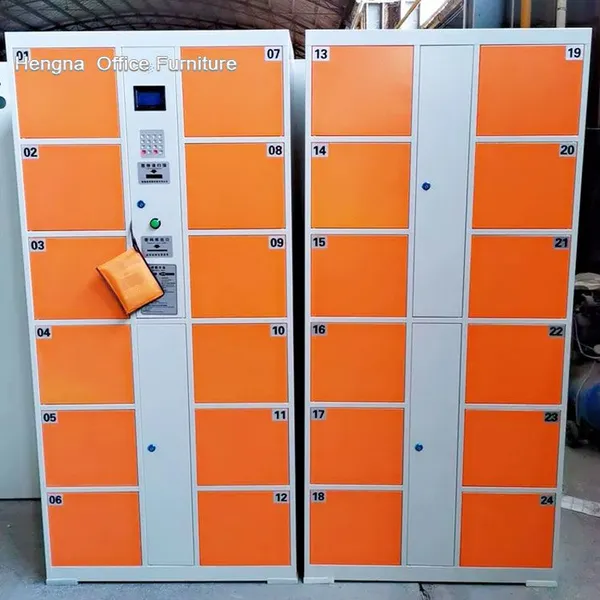
School Gym Lockers Price |Parcel Delivery Storage Locker 12-door FactoryUS$ 203 - 750MOQ: 15 Pieces
-
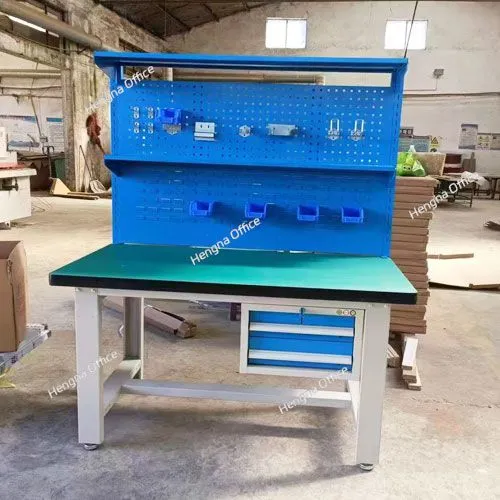
Multi Metal Work Benches Electrical Workshop Workbench|US$ 300 - 800MOQ: 2 Cases
-
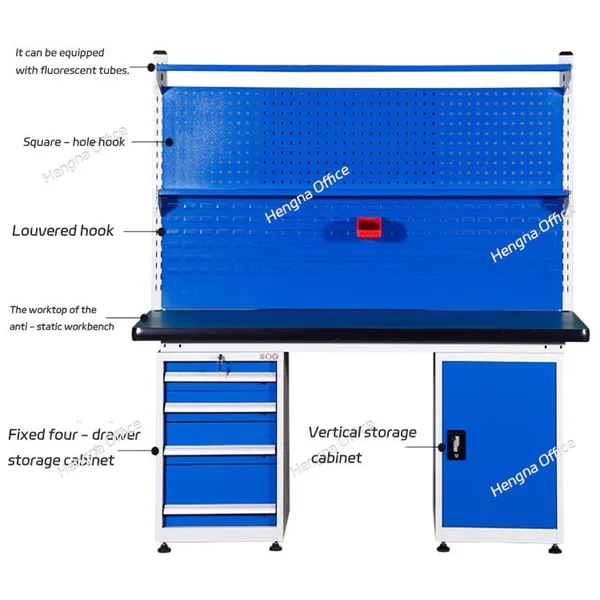
Commercial Workbench Supplier |Multi Metal Work Bench With Drawers OMDUS$ 300 - 800MOQ: 2 Cases
-
Pathological Ection Cabinet JTGZ062 Wax Block Cabinet for LaboratoryNegotiableMOQ: 10 Pieces
-
Durable Tool Storage in Factory HNGJ703 Hard Wearing Metal Industrial Tool ChestNegotiableMOQ: 18 Pieces
-
High - Quality CNC Workshop Tool Cabinet Heavyweight Workshop Tool OrganizerNegotiableMOQ: 10 Pieces
-
Laboratory Polyethylene Acid and Corrosive Chemicals Safety Storage PP CabinetUS$ 340 - 600MOQ: 5 Combos
-
22 Gallons /80 L PP Acid - Base Cabinet: Safeguard Chemical Storage Supplier OEMUS$ 500 - 600MOQ: 5 Combos
-
4 - Gallon Corrosion-resistant Safety Cabinet for Hazardous Chemicals Acid SupplierUS$ 340 - 500MOQ: 5 Combos